
services8 წთ24 აპრილი, 2026
დტფ ბეჭდვა სად გამოიყენება: The Ultimate DTF Guide
ავტორი: Craftarea Editorial Teamგადახედილი: Craftarea Editorial Teamბოლო განახლება:
Direct-to-Film (DTF) printing is an advanced digital technique where designs are printed onto specialized PET films and transferred to fabrics using heat and adhesive powder. If you are wondering "დტფ ბეჭდვა სად გამოიყენება" (where DTF printing is used), the answer spans across custom apparel, corporate uniforms, and high-quality promotional merchandise. This versatile method ensures vibrant, highly durable results across virtually any fabric type, making it an industry favorite.
For international businesses and local enterprises operating in Georgia, understanding modern printing technologies is crucial for effective marketing. The demand for premium customized merchandise has skyrocketed in recent years. Brands are constantly looking for cost-effective, high-quality solutions to make their logos stand out.
Craftarea, a premier advertising company in Tbilisi, Georgia, has utilized this technology extensively. With 7+ years of experience and over 500 completed projects, we have seen firsthand how DTF transforms ordinary garments into powerful marketing tools. In this comprehensive guide, we will explore exactly how this technology works and why it matters for your brand.
Understanding the Basics: დტფ ბეჭდვა სად გამოიყენება?
To fully grasp the impact of this technology, we must first look at what the acronym stands for. DTF means Direct-to-Film. Unlike older methods that apply ink directly to the fabric, this process uses an intermediate transfer layer. This fundamental difference is what gives the method its incredible versatility.
International businesses entering the Georgian market frequently require localized, high-quality promotional items. When clients ask us "დტფ ბეჭდვა სად გამოიყენება", we immediately point to the massive shift in corporate merchandising. Companies are moving away from restrictive traditional methods and embracing the freedom of digital film transfers.
The technology relies on specialized CMYK inks, alongside a highly opaque white ink base. This white layer acts as the foundation, ensuring that colors remain vividly bright regardless of the garment's original color. Whether you are printing on a pitch-black hoodie or a neon safety vest, the design maintains its absolute integrity.
Furthermore, this method eliminates the complex setup processes associated with older techniques. There is no need for burning screens or color separation. This digital-first approach allows for rapid prototyping and seamless production scaling, directly benefiting businesses that need fast, reliable results.
Step-by-Step: How the DTF Printing Process Works
Understanding the mechanics behind the technology helps clarify why it produces such superior results. The process is highly technical but incredibly efficient when executed by experienced professionals. Here is a detailed breakdown of how the magic happens.
- Digital Design Preparation: The process begins with high-resolution digital artwork. Designers use specialized RIP (Raster Image Processor) software to optimize the image, ensuring precise color matching and proper ink density limits.
- Printing on PET Film: The design is printed directly onto a specialized, heat-resistant PET (Polyethylene Terephthalate) film. The printer lays down the CMYK colors first, immediately followed by a solid layer of white ink over the colored areas.
- Applying the Adhesive Powder: While the ink is still wet, the film passes through a powder shaker. A specialized polyurethane hot-melt adhesive powder is evenly coated over the wet ink. This powder is the crucial bonding agent.
- Curing the Powder: The powdered film enters a curing oven. At temperatures typically around 160°C (320°F), the powder melts and fuses with the ink, creating a solid, flexible, and highly durable transfer layer.
- Heat Press Application: Finally, the cured film is placed onto the target garment. A commercial heat press applies strict temperature and heavy pressure for about 15 seconds, permanently bonding the design to the fabric fibers.
This streamlined workflow allows facilities like Craftarea to deliver exceptional professional printing services with incredibly fast turnaround times. The precision of modern machinery ensures that every single transfer is flawless, from the first piece to the thousandth.
Core Applications: დტფ ბეჭდვა სად გამოიყენება in Modern Business
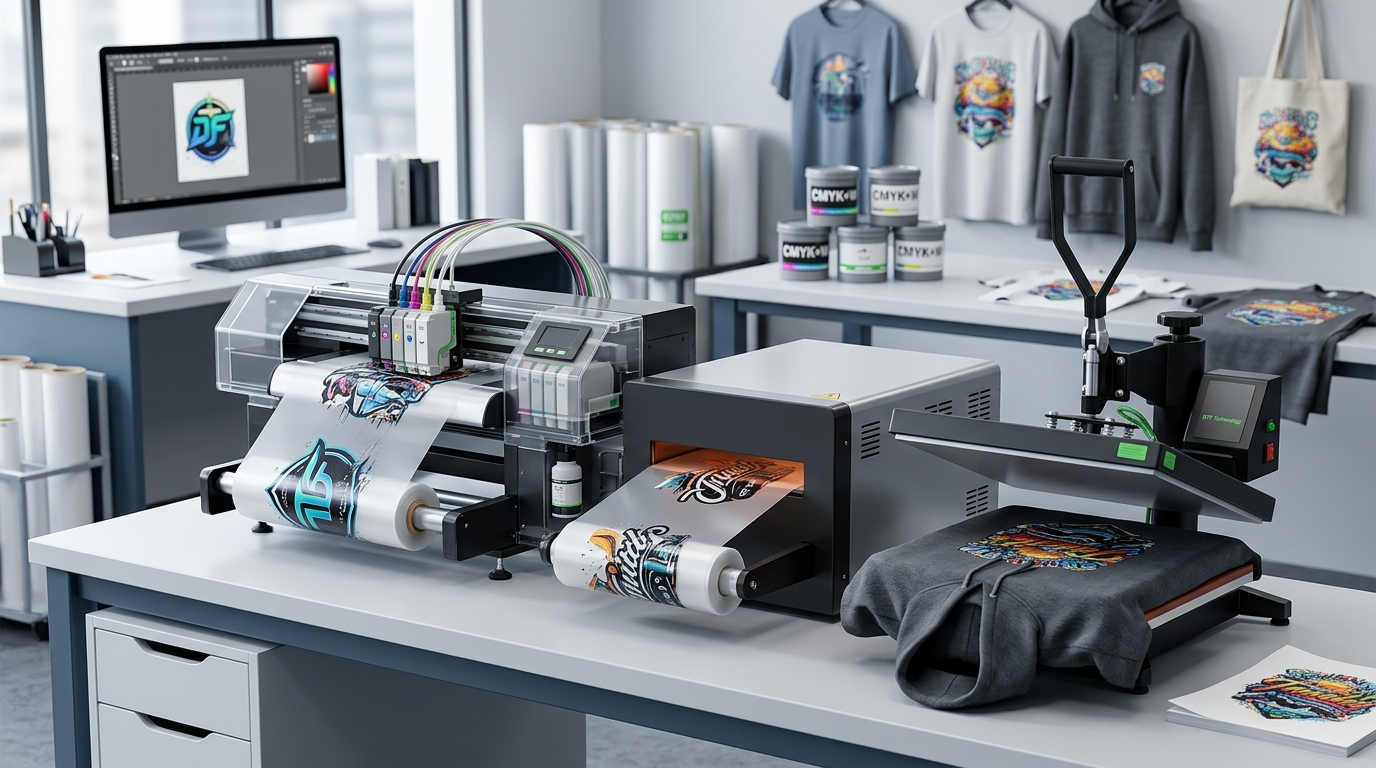
The true power of this technology lies in its boundless applications. Because the adhesive powder bonds mechanically to almost any porous surface, the limitations of the past are entirely gone. Here are the primary sectors benefiting from this innovation today.
Apparel and Fashion (მაისურებზე ბეჭდვა)
The most prominent use case is undoubtedly "მაისურებზე ბეჭდვა" (t-shirt printing). Streetwear brands and fashion startups in Tbilisi rely heavily on this method. It allows them to print complex, highly detailed graphics with photographic quality. The prints feel soft to the touch and flex naturally with the garment.
Corporate Uniforms and Workwear
Hotels, restaurants, and industrial companies across Georgia require durable uniforms that can withstand daily wear and tear. This technology is perfect for branding aprons, heavy-duty jackets, and staff polo shirts. The prints resist fading from sun exposure and survive rigorous industrial washing cycles.
Promotional Merchandise and Accessories
Beyond standard clothing, businesses use this method for diverse promotional items. Tote bags, baseball caps, backpacks, and even canvas shoes can be easily customized. Integrating these items into your broader promo branding solutions ensures a cohesive and professional corporate image.
Sportswear and Activewear
Athletic clothing is traditionally difficult to print on due to its high polyester content and extreme stretchability. However, the specialized adhesive used in this process stretches with the fabric. This prevents the cracking and peeling often seen with older, inferior printing methods on sports jerseys.
The Strategic Advantages of DTF for ბრენდირება (Branding)
For companies looking to establish a strong presence in Georgia, "ბრენდირება" (branding) must be executed flawlessly. Your physical merchandise is a direct reflection of your company's quality and values. Choosing the right production method is a critical strategic decision.
The first major advantage is unprecedented color vibrancy. According to industry research, the inclusion of the dedicated white ink layer increases color opacity by up to 60% compared to traditional direct-to-garment methods. This means your brand's exact Pantone colors are reproduced with stunning accuracy.
Fabric versatility is another game-changer. Older methods forced brands to print exclusively on 100% cotton. Today, you can seamlessly brand polyester blends, nylon, fleece, and even treated waterproof fabrics. This flexibility allows you to expand your merchandise lines without worrying about technical limitations.
Durability is perhaps the most important factor for long-term brand visibility. Based on comprehensive textile testing, high-quality film transfers can withstand over 50 heavy wash cycles without significant degradation. Your logo will remain crisp and vibrant long after the garment is first worn.
Finally, the method is incredibly cost-effective for small to medium production runs. Because there are no expensive screen setup fees, businesses can order limited edition runs or exact quantities. This eliminates dead stock and optimizes your marketing budget perfectly.
DTF vs. Traditional Methods: Making the Right Choice
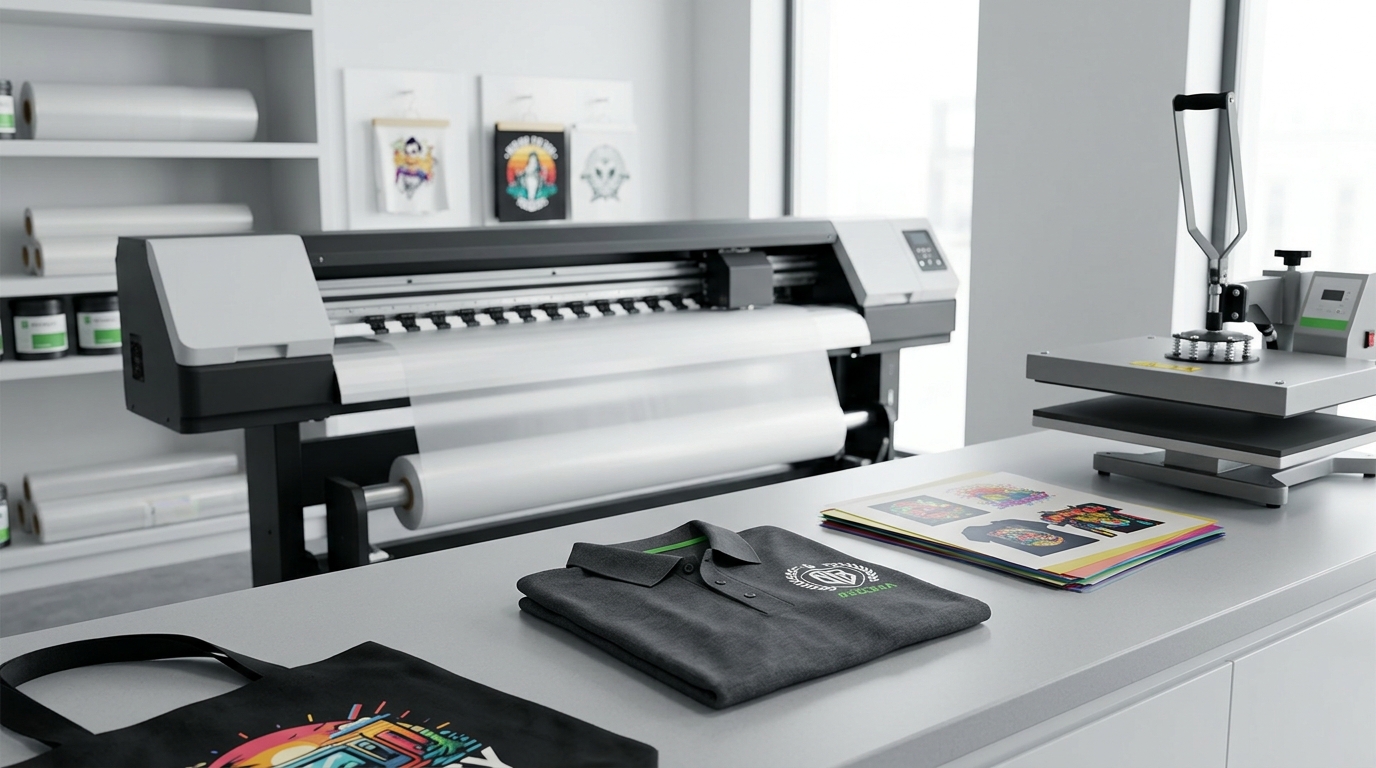
To truly appreciate this technology, it helps to compare it against the historical standards of the industry. Many clients come to us confused about which method best suits their specific campaign needs. Let us break down the comparisons clearly.
Compared to Screen Printing
Screen printing is excellent for massive bulk orders of a single design with limited colors. However, it requires a separate physical screen for every single color used. This makes it incredibly expensive for complex designs or small orders. Digital film transfers bypass this entirely, allowing unlimited colors with zero setup costs.
Compared to Direct-to-Garment (DTG)
DTG works like a traditional paper printer but for clothes. While it produces soft prints, it requires fabrics to be at least 80% cotton. It also requires a messy liquid pretreatment process on dark garments. Film transfers require no pretreatment and work on any fabric blend, making them vastly superior for diverse merchandise.
Compared to Sublimation
Sublimation dyes the actual fibers of the fabric, which creates a zero-feel print. However, it only works on 100% white or light-colored polyester. You cannot sublimate onto a black cotton shirt. Film transfers, utilizing their opaque white base layer, bond perfectly to any color and any material.
How to Choose the Right Printing Partner in Tbilisi
The technology is only as good as the team operating it. As the Georgian market expands, many new shops are opening, but not all maintain international quality standards. Choosing the right partner is critical for your brand's success.
First, evaluate their equipment and materials. High-quality results require industrial-grade printers, premium PET films, and certified eco-friendly inks. Subpar materials will result in prints that feel like heavy plastic or peel off after the first wash.
Second, review their portfolio and market experience. Ask to see physical samples of their previous work. Check how the prints stretch and feel. A reputable agency will proudly display their past projects and provide references from satisfied corporate clients.
Finally, consider their ability to handle comprehensive campaigns. The best partners offer end-to-end solutions. This means they can align your apparel branding with your broader outdoor advertising campaigns and custom signage, ensuring absolute brand consistency across all mediums.
Craftarea's Expert Approach to High-Quality Production
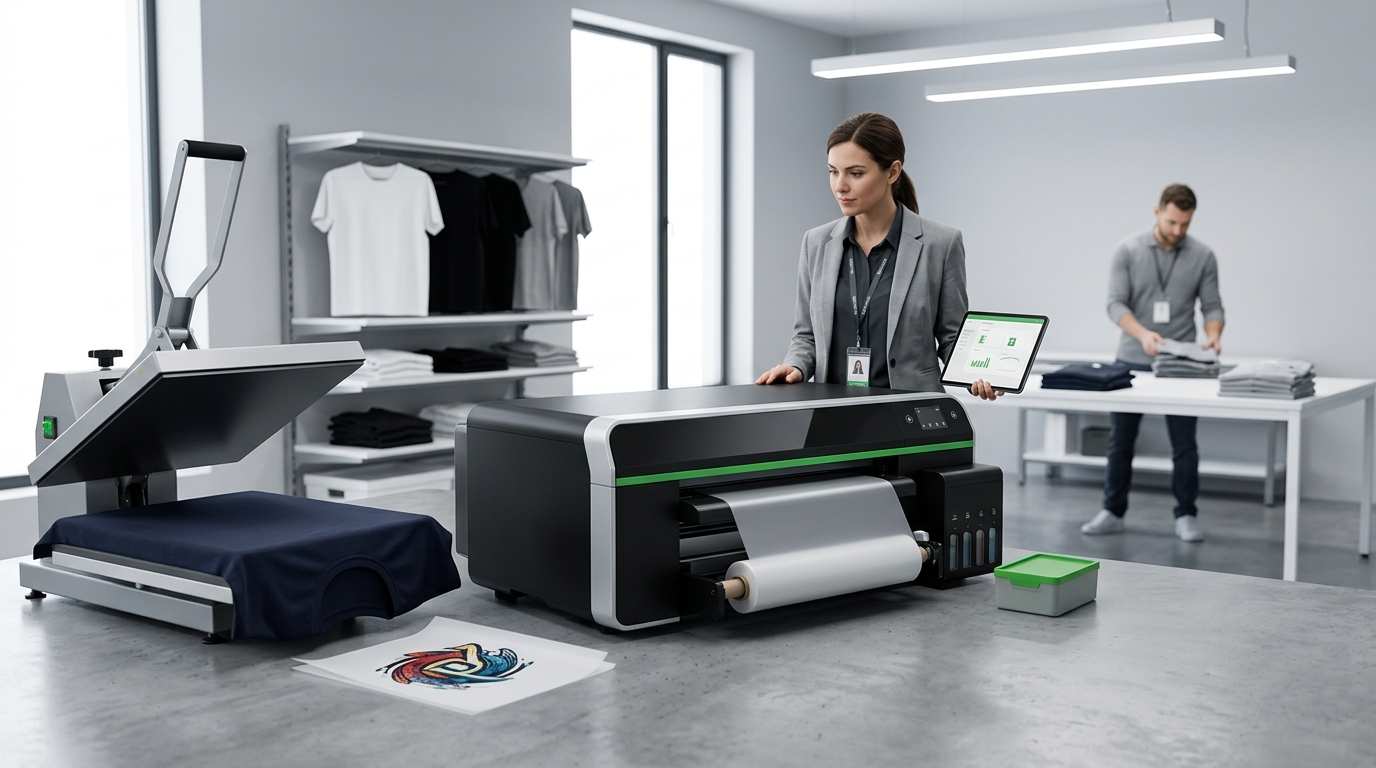
At Craftarea, we do not just print logos; we engineer brand experiences. Based on Craftarea's experience with 200+ clients across diverse industries, we have perfected the digital transfer process to meet strict international standards.
Our facility in Tbilisi is equipped with state-of-the-art machinery capable of handling both rapid prototypes and large-scale corporate rollouts. We utilize premium, OEKO-TEX certified inks that are safe, eco-friendly, and incredibly vibrant. Every single garment undergoes a rigorous multi-point quality inspection before leaving our shop.
We understand that international businesses require reliable communication and strict adherence to deadlines. With over 500 successful projects under our belt, our dedicated project managers ensure your merchandise is delivered on time, exactly as envisioned. If you want to learn more about our history and values, you can read about Craftarea on our main page.
Frequently Asked Questions (FAQ)
When clients first explore this technology, they naturally have several technical questions. Below, we have compiled the most common inquiries we receive from businesses operating in the Georgian market.
Conclusion
The evolution of digital apparel decoration has completely changed how businesses approach their marketing merchandise. If you started this guide wondering "დტფ ბეჭდვა სად გამოიყენება", it should now be clear that its applications are virtually limitless. From high-end fashion lines to rugged industrial uniforms, this technology offers unmatched durability, vibrant color reproduction, and incredible fabric versatility.
For businesses in Georgia demanding premium quality, partnering with an experienced agency is essential. Craftarea, an advertising company in Tbilisi, Georgia, stands ready to elevate your physical branding. With 7+ years of expertise and state-of-the-art equipment, we guarantee results that will make your brand unforgettable. Contact us today to start your next successful merchandise campaign.