
Direct-to-film printing uses a printed film and adhesive transfer that is applied with heat. Common textile applications include custom apparel, corporate uniforms and promotional bags. Suitability depends on the fabric, coating, construction and transfer materials, so the actual item should be assessed before production.
For international businesses and local enterprises operating in Georgia, understanding modern printing technologies is crucial for effective marketing. The demand for premium customized merchandise has skyrocketed in recent years. Brands are constantly looking for cost-effective, high-quality solutions to make their logos stand out.
Craftarea has 7+ years of experience and more than 500 completed advertising projects. This guide explains textile DTF applications and the material checks that help turn an apparel idea into a production brief.
Understanding the Basics: where DTF printing is used?
To fully grasp the impact of this technology, we must first look at what the acronym stands for. DTF means Direct-to-Film. Unlike older methods that apply ink directly to the fabric, this process uses an intermediate transfer layer. This fundamental difference is what gives the method its incredible versatility.
International businesses entering the Georgian market frequently require localized, high-quality promotional items. When clients ask us "where DTF printing is used", we immediately point to the massive shift in corporate merchandising. Companies are moving away from restrictive traditional methods and embracing the freedom of digital film transfers.
The technology relies on specialized CMYK inks, alongside a highly opaque white ink base. This white layer acts as the foundation, ensuring that colors remain vividly bright regardless of the garment's original color. Whether you are printing on a pitch-black hoodie or a neon safety vest, the design maintains its absolute integrity.
Furthermore, this method eliminates the complex setup processes associated with older techniques. There is no need for burning screens or color separation. This digital-first approach allows for rapid prototyping and seamless production scaling, directly benefiting businesses that need fast, reliable results.
Step-by-Step: How the DTF Printing Process Works
Understanding the mechanics behind the technology helps clarify why it produces such superior results. The process is highly technical but incredibly efficient when executed by experienced professionals. Here is a detailed breakdown of how the magic happens.
- Digital Design Preparation: The process begins with high-resolution digital artwork. Designers use specialized RIP (Raster Image Processor) software to optimize the image, ensuring precise color matching and proper ink density limits.
- Printing on PET Film: The design is printed directly onto a specialized, heat-resistant PET (Polyethylene Terephthalate) film. The printer lays down the CMYK colors first, immediately followed by a solid layer of white ink over the colored areas.
- Applying the Adhesive Powder: While the ink is still wet, the film passes through a powder shaker. A specialized polyurethane hot-melt adhesive powder is evenly coated over the wet ink. This powder is the crucial bonding agent.
- Curing the Powder: The powdered film enters a curing oven. At temperatures typically around 160°C (320°F), the powder melts and fuses with the ink, creating a solid, flexible, and highly durable transfer layer.
- Heat Press Application: Finally, the cured film is placed onto the target garment. A commercial heat press applies strict temperature and heavy pressure for about 15 seconds, permanently bonding the design to the fabric fibers.
DTF production combines file preparation, transfer printing, adhesive application and pressing. Confirm the proposed checks and production schedule for the order. Repeated transfers still need consistent settings and inspection.
Core Applications: where DTF printing is used in Modern Business
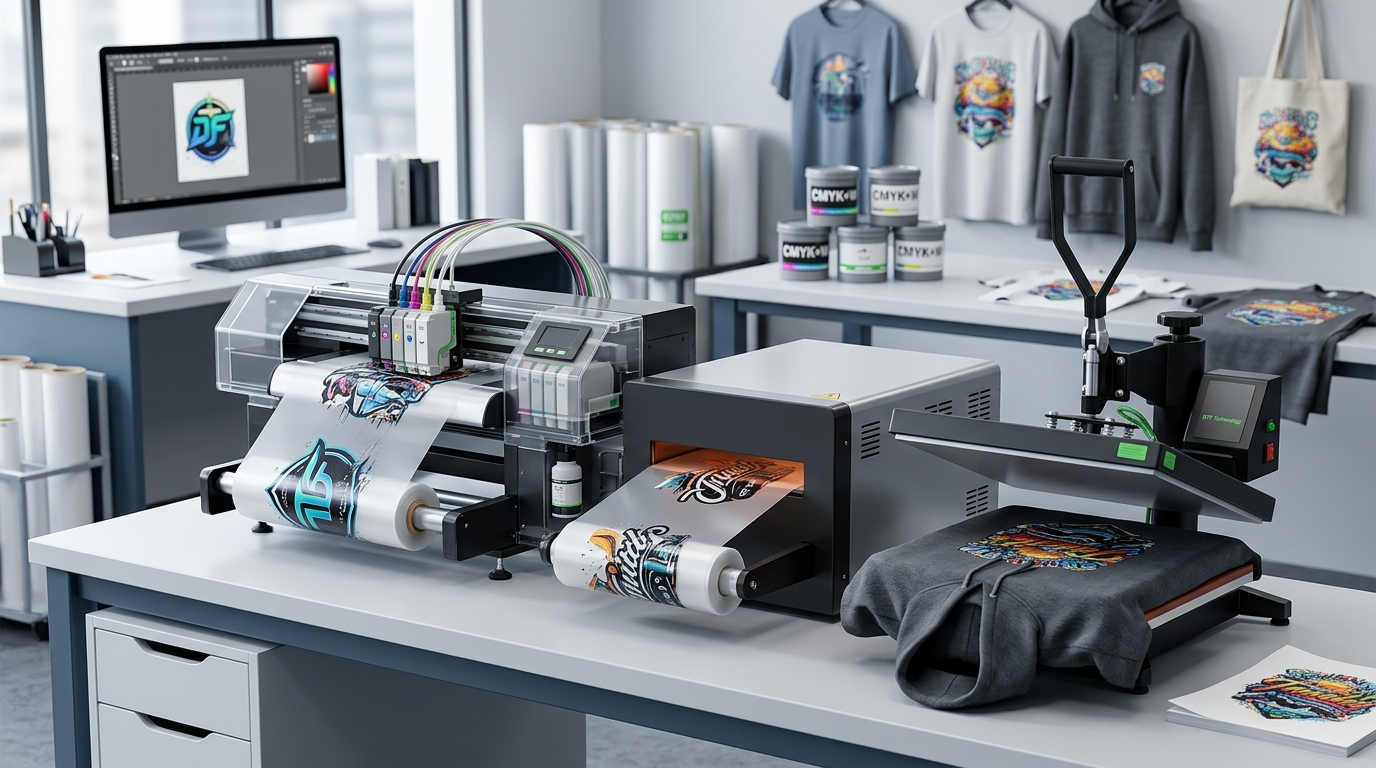
The true power of this technology lies in its boundless applications. Because the adhesive powder bonds mechanically to almost any porous surface, the limitations of the past are entirely gone. Here are the primary sectors benefiting from this innovation today.
Apparel and Fashion (T-shirt printing)
The most prominent use case is undoubtedly "T-shirt printing" (t-shirt printing). Streetwear brands and fashion startups in Tbilisi rely heavily on this method. It allows them to print complex, highly detailed graphics with photographic quality. The prints feel soft to the touch and flex naturally with the garment.
Corporate Uniforms and Workwear
Aprons, jackets and staff polo shirts need printing suited to their fabric and use. Where uniforms will receive frequent or industrial laundering, identify that requirement before selecting DTF and request relevant performance documentation for the garment and transfer system.
Promotional Merchandise and Accessories
Beyond standard clothing, businesses use this method for diverse promotional items. Tote bags, baseball caps, backpacks, and even canvas shoes can be easily customized. Integrating these items into your broader promo branding solutions ensures a cohesive and professional corporate image.
Sportswear and Activewear
Athletic clothing is traditionally difficult to print on due to its high polyester content and extreme stretchability. However, the specialized adhesive used in this process stretches with the fabric. This prevents the cracking and peeling often seen with older, inferior printing methods on sports jerseys.
The Strategic Advantages of DTF for branding (Branding)
For a branded textile order, connect the visual identity with the actual garment, artwork and care requirements. Select the production method for the fabric and intended use, then agree a sample or proof where needed.
A white ink layer can provide an opaque base for coloured artwork on a dark garment. The resulting colour depends on the inks, transfer, fabric and print settings. Supply a brand colour reference and review a sample when colour matching is important.
DTF may suit polyester blends, cotton and other compatible garments, but each fabric and coating needs assessment. Waterproof treatments and heat-sensitive materials can limit adhesion or pressing options. Confirm the actual item before expanding a merchandise range.
Wash resistance depends on the fabric, film, adhesive, pressing conditions and care. Assess the transfer on the intended garment, including its feel and edges, and obtain care instructions for that combination. A general wash-cycle figure does not establish the performance of a particular order.
For limited merchandise, compare a DTF quotation with other suitable methods at the required quantity. Avoiding separate screens can change setup costs, but garment sourcing, artwork preparation and application still need to be priced.
DTF vs. Traditional Methods: Making the Right Choice
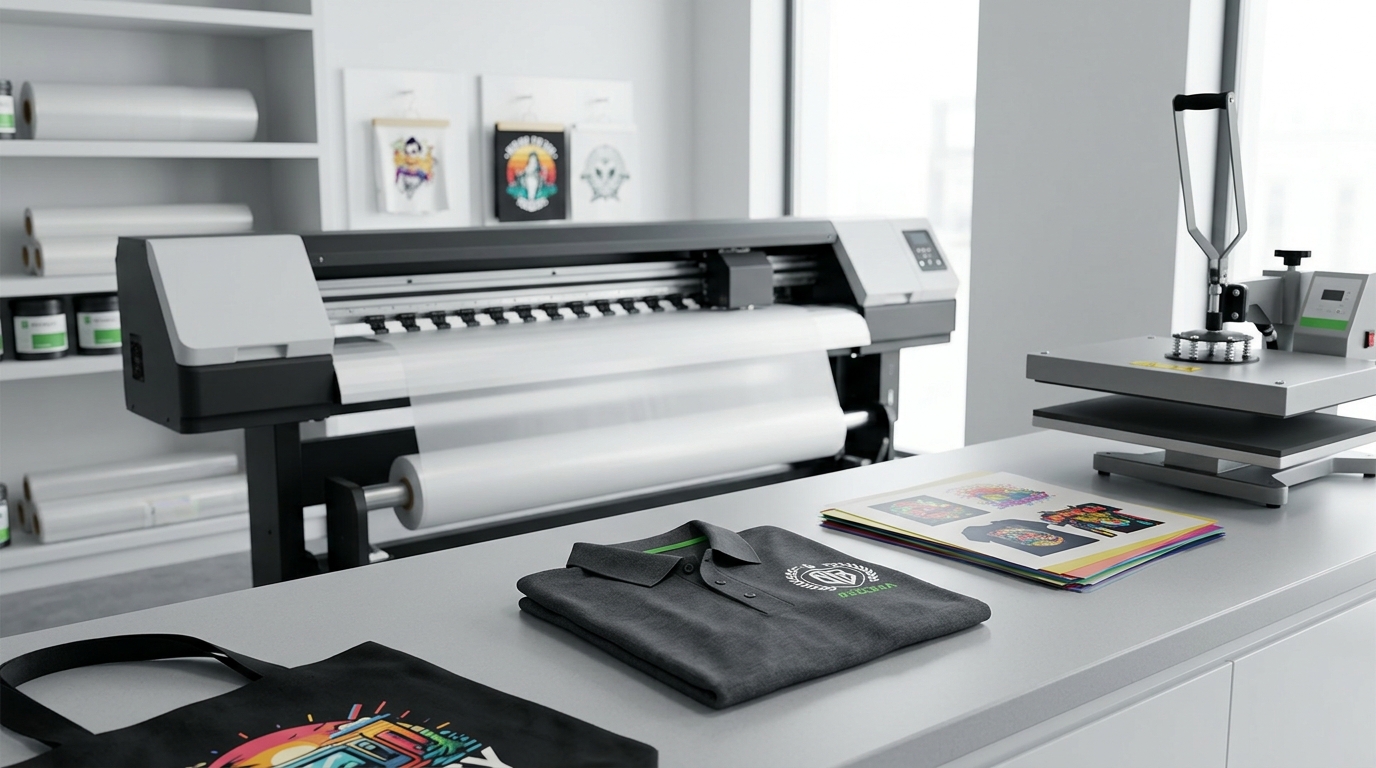
To truly appreciate this technology, it helps to compare it against the historical standards of the industry. Many clients come to us confused about which method best suits their specific campaign needs. Let us break down the comparisons clearly.
Compared to Screen Printing
Screen printing separates the artwork into the required screens, while DTF transfers a digitally printed design. Both involve preparation and application costs. Compare colour detail, fabric compatibility, quantity and the desired print feel for the actual order.
Compared to Direct-to-Garment (DTG)
DTG prints directly onto a garment, while textile DTF transfers a design from film. Fabric compatibility and pretreatment requirements depend on the chosen equipment and ink system. Compare both methods on the actual garment for detail, feel, colour and production requirements.
Compared to Sublimation
Standard textile sublimation works with suitable polyester fabric and is most visible on a light base because it does not add an opaque white layer. DTF uses a transfer layer and can suit a broader range of garment colours. Fabric composition and heat sensitivity still need checking for either process.
How to Choose the Right Printing Partner in Tbilisi
The technology is only as good as the team operating it. As the Georgian market expands, many new shops are opening, but not all maintain international quality standards. Choosing the right partner is critical for your brand's success.
When evaluating a provider, ask to see a sample made with the proposed film, ink and adhesive on a comparable garment. Check print feel, detail and edges. If certification is required, request documentation identifying the particular product and scope covered.
Second, review their portfolio and market experience. Ask to see physical samples of their previous work. Check how the prints stretch and feel. A reputable agency will proudly display their past projects and provide references from satisfied corporate clients.
Finally, consider their ability to handle comprehensive campaigns. The best partners offer end-to-end solutions. This means they can align your apparel branding with your broader outdoor advertising campaigns and custom signage, ensuring absolute brand consistency across all mediums.
Craftarea's Expert Approach to High-Quality Production
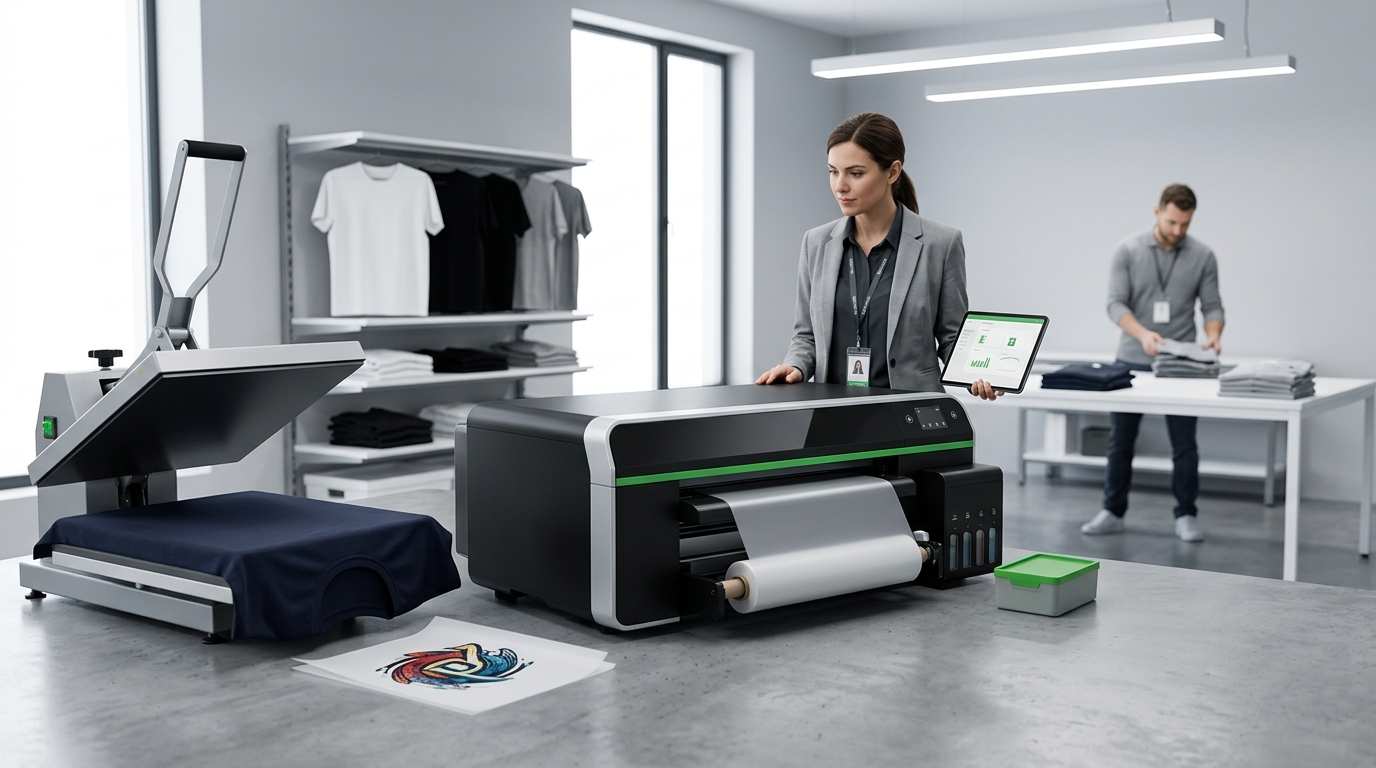
For a Craftarea textile order, establish the garment specification, artwork and acceptance criteria. If a particular standard or certification is required, identify it in the enquiry and request documentation for the proposed materials.
For a Craftarea DTF order, agree on the garment, transfer materials, artwork and finished appearance before production. If the project has a particular ink or material certification requirement, state it at the enquiry stage and request the relevant supplier documentation.
We understand that international businesses require reliable communication and strict adherence to deadlines. With over 500 successful projects under our belt, our dedicated project managers ensure your merchandise is delivered on time, exactly as envisioned. If you want to learn more about our history and values, you can read about Craftarea on our main page.
Frequently Asked Questions (FAQ)
When clients first explore this technology, they naturally have several technical questions. Below, we have compiled the most common inquiries we receive from businesses operating in the Georgian market.
Conclusion
DTF is used for apparel, uniforms and textile promotional items where the garment and transfer system are compatible. Its application is not unrestricted: fabric, coating, construction and care requirements determine whether it is a suitable choice.
Craftarea is an advertising company in Tbilisi with 7+ years of experience. Contact the team with the garment details, design and quantity to discuss DTF printing and how it fits the rest of your branded merchandise.
Choose the method around the item
Give Craftarea the item model, fabric composition, colour and intended use. Compare DTF with screen printing, DTG or sublimation only where the actual material is suitable, using the same artwork and quantity.