
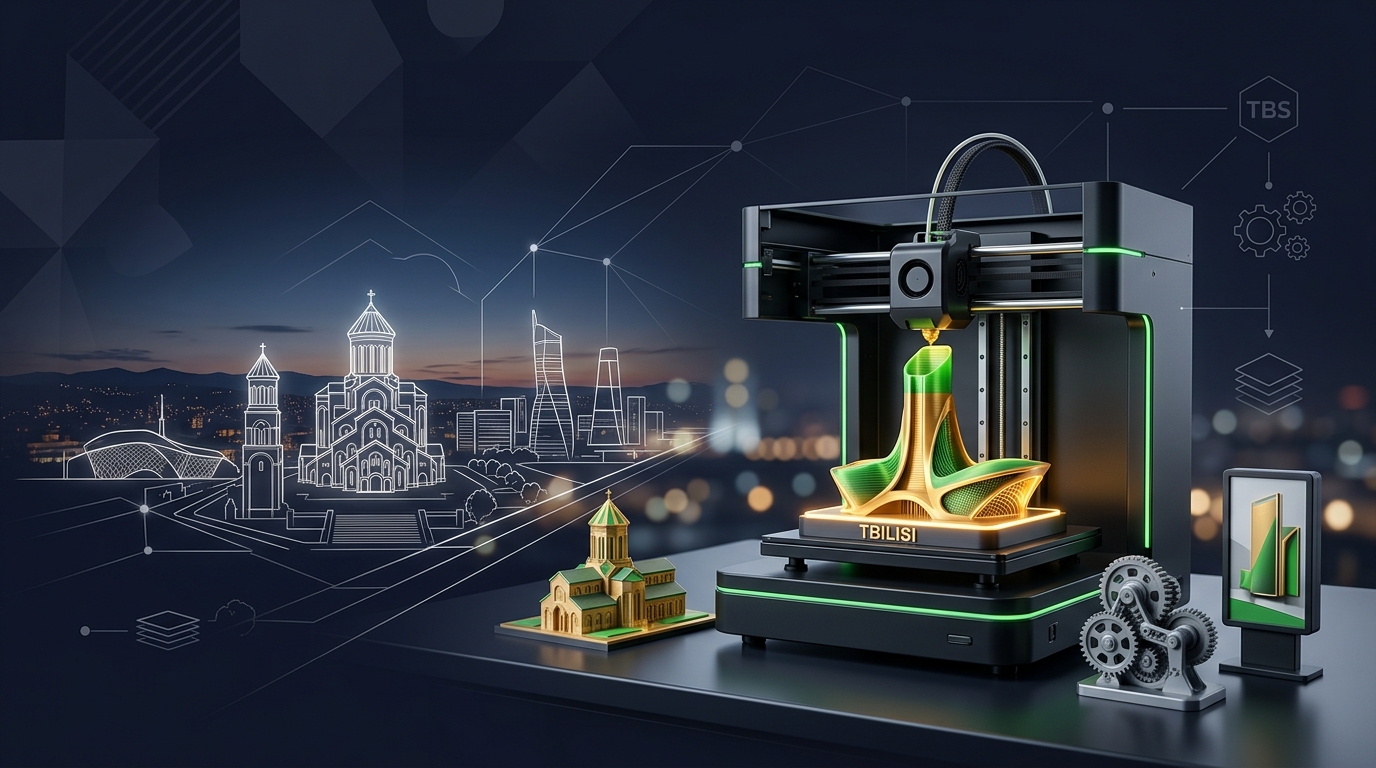
3D printing can turn a digital model into a physical prototype, display component or custom item. Start by separating a visual model from a part that must carry loads or fit an assembly; the material, process and checks may differ. Confirm the proposed production method and available materials for your project.
Why Local Businesses Use 3D Printing
Printing can avoid a dedicated mould for an early prototype. It still involves model preparation, machine time, material and finishing. A model that demonstrates shape is not automatically suitable for testing strength or long-term use; agree what the prototype needs to demonstrate.
Common Commercial Applications
While often associated with hobbyists, commercial 3D printing serves practical business needs across various industries:
- Product Development: Creating physical iterations of a new product to test ergonomics, assembly, and design flaws.
- Custom Signage: Producing intricate 3D letters or specialized structural components for retail displays.
- Promotional items: explore custom shapes, then compare printability, finishing and cost with other fabrication methods for the actual design.
- Architectural Models: Printing detailed scale models for real estate presentations, interior design planning, and urban development.
What We Need to Provide a Quote
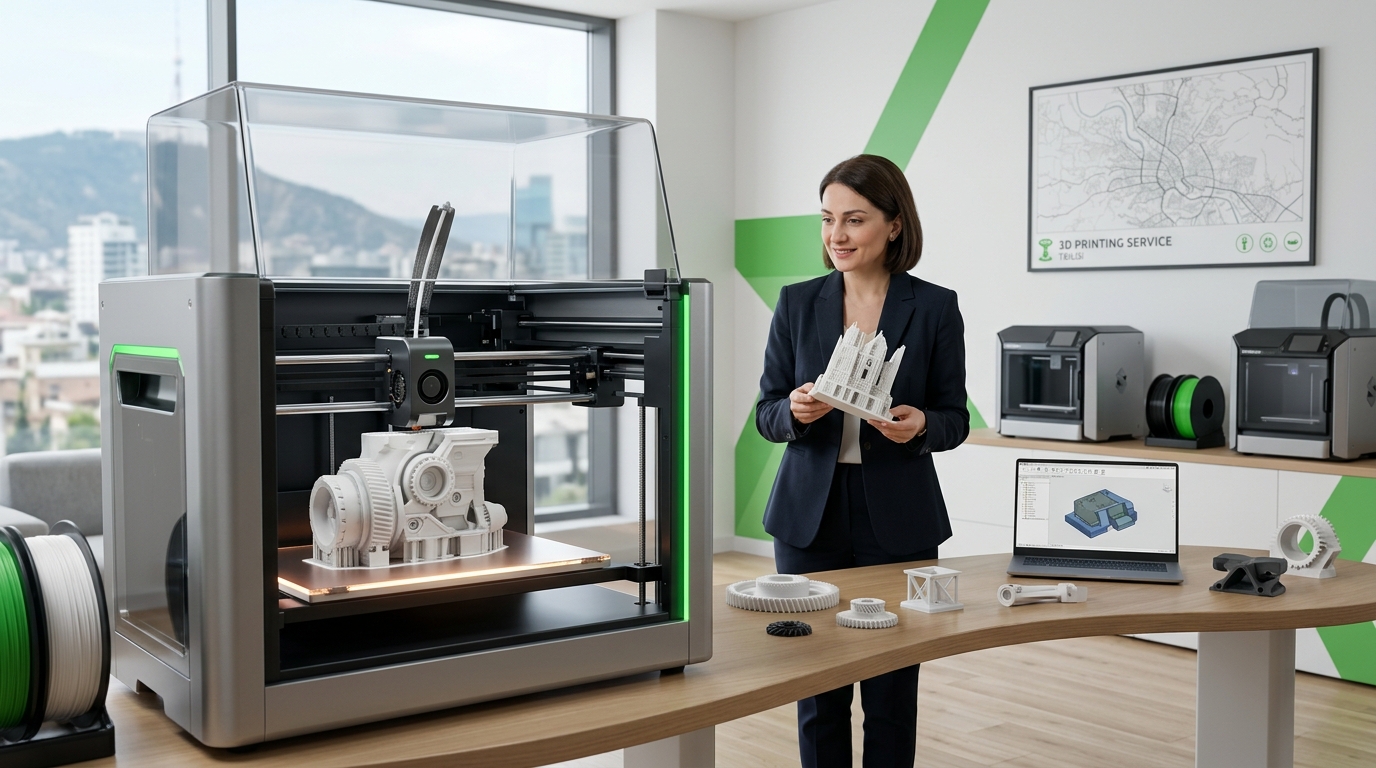
A useful quotation separates model preparation, printing and any finishing. Send the model, dimensions, quantity and intended use so the team can assess the process and identify any additional design work.
- Model file: send the file you have and identify its format and units. STL, OBJ and STEP are examples of different model formats; confirm which is accepted for the proposed workflow and whether conversion or repair is needed.
- Exact Dimensions: The physical size required for the final printed object.
- Material Requirements: Information about how the object will be used. Let us know if the part needs specific characteristics, such as being rigid, flexible, heat-resistant, or suitable for outdoor use.
- Quantity: The total number of identical pieces you need produced.
- Finishing Preferences: Whether the item requires post-processing, such as sanding, smoothing, or painting.
Choosing a Comprehensive Printing Partner
If the printed part belongs to a wider display or promotional project, list the components, dimensions and assembly requirements together. Confirm which design and production stages the supplier can include.
For a coordinated Craftarea enquiry, separate the 3D component from paper print, signage or promotional items in the brief. Approve the material and finish for each item rather than assuming one production method or identical colour reproduction across them.
If you have a 3D model ready for production or need to discuss the material options for a custom part, visit our contact page to share your project details with our team.
Separate a display model from a working part
State whether the model demonstrates appearance, fit or a working function. Include dimensions, mating parts, expected loads and exposure, then agree what a sample must verify.