
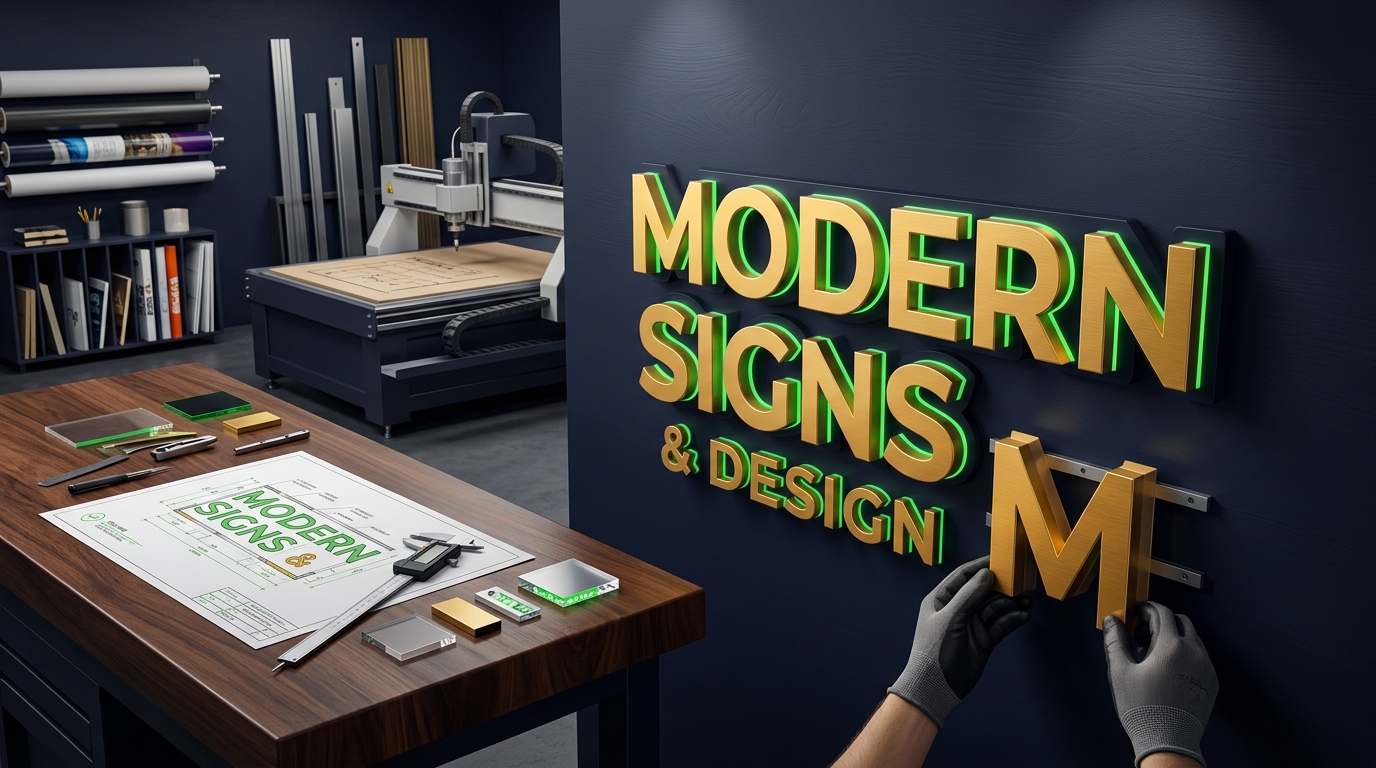
To understand how to make 3d signage, you must follow a precise six-step process: conceptual design, digital mockup creation, material selection, CNC or laser cutting, structural assembly, and secure installation. This transforms flat graphics into impactful, volumetric storefront displays that attract customers.
In today's highly competitive retail landscape, capturing pedestrian and vehicular attention is paramount. A flat, uninspired sign simply blends into the background of a busy street. Business owners must find innovative ways to stand out and communicate their brand identity instantly.
This is where volumetric advertising comes into play. Upgrading your storefront with dimensional lettering creates a premium aesthetic that builds immediate trust with potential customers. However, the manufacturing process requires specialized knowledge, precision equipment, and professional execution.
Craftarea has 7+ years of experience and more than 500 completed projects. Use the manufacturing stages below to prepare the design, material and installation questions for a storefront sign.
This guide describes the main stages of a 3D-sign project, from the design brief and material selection to fabrication and installation. Use it to identify which decisions and approvals your own project requires.
What is 3D Signage?
Before diving into the production steps, we must answer a fundamental question: exactly what is 3d signage? In the advertising industry, it refers to any physical display element that possesses three true dimensions—width, height, and depth.
Unlike traditional flat printed banners or painted boards, a 3d text signage installation literally stands out from the wall. This physical depth creates natural shadows, dynamic highlights, and a tangible presence that commands attention from every viewing angle.
A standard 3d letters sign is typically fabricated from durable materials like cast acrylic, aluminum, or high-density PVC. These individual elements are then mounted directly to a building facade or a backing panel, creating a sophisticated and professional architectural feature.
Exploring the Main Types of 3D Signage
Understanding the different types of 3d signage is crucial before beginning the manufacturing process. The right choice depends entirely on your brand guidelines, budget, and the specific architectural constraints of your storefront.
1. 3D Channel Letters Signage
This is the gold standard for outdoor retail branding. A 3d channel letters signage system consists of individual, hollow letters made from metal or plastic. These hollow channels are designed specifically to house internal LED lighting components.
2. 3D Acrylic Letters Signage
Acrylic letters offer clear, coloured and translucent material options. Review the proposed sheet, applied colours and finish for the design. Confirm outdoor suitability where required, and use a sample for critical colour decisions.
3. 3D Plastic Letters for Signs
Solid PVC or acrylic letters can be compared for a non-illuminated architectural design. Review thickness, finish, fixing and the relevant indoor or outdoor conditions. Material suitability and the complete quotation matter more than treating every plastic letter as the same product.
4. 3D Letter Glow Sign Board
A 3d letter glow sign board incorporates specialized illumination techniques, such as front-lit, backlit halo effects, or edge-lit designs. This ensures your business remains highly visible, attractive, and welcoming during nighttime hours.
Step-by-Step Guide: How to Make 3D Signage for Your Storefront
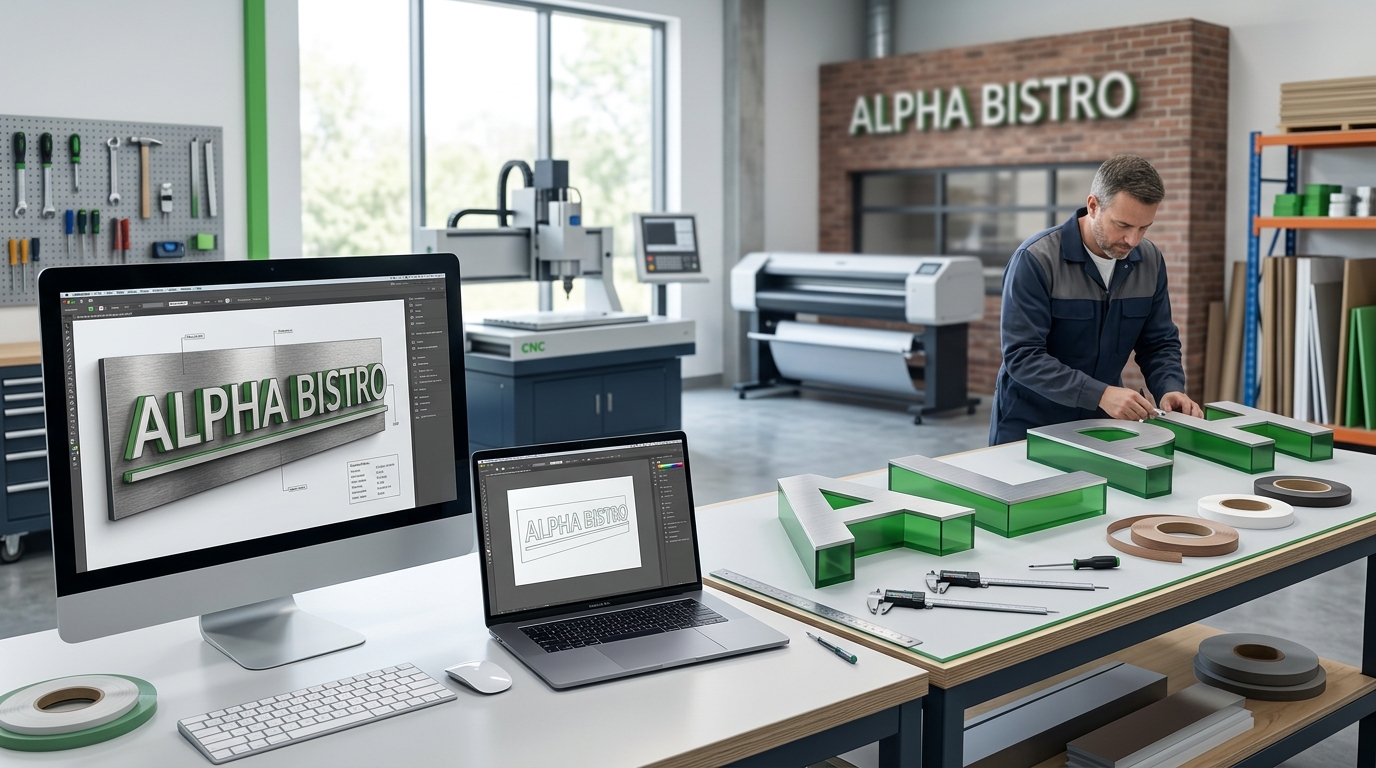
Making 3D signage combines design with material selection, fabrication and installation planning. The six stages below describe common parts of that workflow; the actual sequence and responsibilities should be agreed for the project.
Step 1: Conceptualization and 3D Letter Signage Design
The foundation of any successful project begins with expert 3d letter signage design. During this initial phase, designers evaluate your brand logo, typography, and color palette to determine how they will translate into a physical, volumetric format.
Not all fonts are suitable for three-dimensional manufacturing. Thin serif fonts or highly intricate script logos may need slight modifications to accommodate structural integrity and internal lighting modules. The primary goal is achieving maximum legibility from a distance.
Step 2: Developing a 3D Letters Signage Mockup
Once the initial vector design is finalized, the next critical step is creating a comprehensive 3d letters signage mockup. This digital rendering places your proposed 3D design onto a high-resolution photograph of your actual storefront.
A realistic 3d text signage mockup allows business owners to visualize the final scale, color contrast, and overall aesthetic impact before any physical materials are cut. This crucial step prevents costly mistakes and ensures the sign harmonizes with the building's architecture.
Step 3: Material Selection and Preparation
Choosing the right materials dictates the durability and lifespan of your investment. For outdoor installations in varied climates like Tbilisi, weather-resistant materials are absolutely mandatory to prevent fading, warping, or severe water damage.
Common materials include cast acrylic for illuminated faces, composite aluminum for rigid backing panels, and high-density PVC for solid letters. Your manufacturing partner will recommend the best combination based on your specific environmental conditions and lighting goals.
Step 4: Precision CNC Routing and Laser Cutting
Approved drawings guide the shaping of the letter faces. Acrylic may be laser cut or routed according to the material and design. Review the achievable edge finish and detail rather than assuming every file produces a polished result without further work.
CNC routing can shape suitable sheet materials such as aluminium or PVC using a mechanical cutter. Tool size, material and geometry affect the achievable detail. Check the production drawing and tolerances instead of assuming an exact copy of every vector feature.
Step 5: Structural Assembly and Illumination
After cutting, the individual components must be assembled. For a 3d letter glow sign board, technicians carefully install commercial-grade LED modules inside the hollow channels. LED technology is preferred for its energy efficiency, extreme brightness, and long-term reliability.
The internal wiring is meticulously routed and secured, ensuring even light distribution across the sign face without any dark spots. Finally, the translucent acrylic faces are securely attached to the metal returns using specialized trim caps or structural adhesives.
Step 6: Professional Storefront Installation
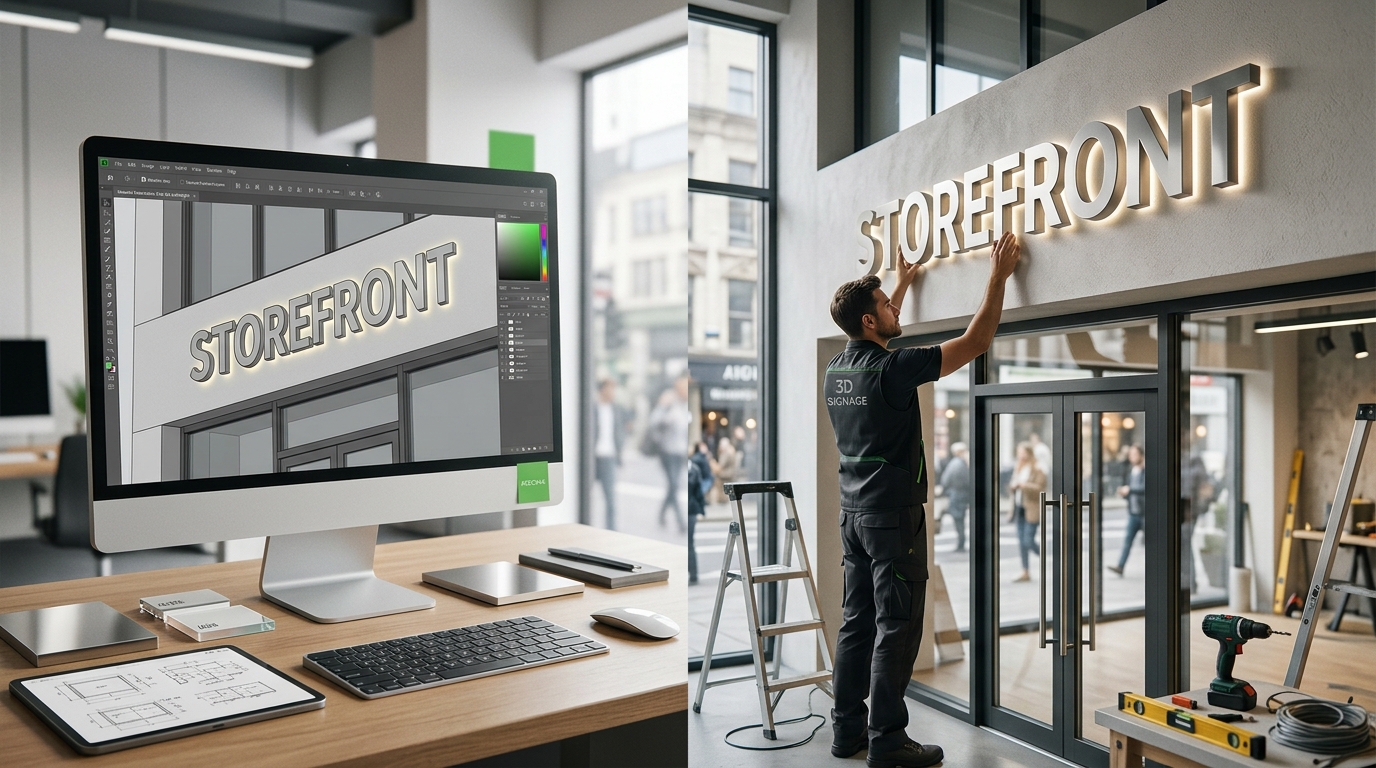
Mounting requires the letter positions and fixing points to be set out accurately. A template can help locate the letters, but the facade, fixing method and installation access still need assessment. Agree those details before drilling or fitting begins.
Wiring is carefully fed through the building facade and connected to a concealed, regulated power supply unit. Proper weatherproofing and silicone sealing are applied to protect the electrical components from rain and moisture, ensuring years of safe operation.
The Business Benefits of a 3D Letter Signage Board
A 3D sign can make the business name more visible and give the storefront a distinct appearance. Judge the design by readability, contrast and fit with the building, then measure any commercial effect through the business’s own results.
First and foremost, a volumetric 3d letters sign board dramatically increases your brand's physical presence. It creates a sense of permanence and professionalism that flat, printed banners simply cannot achieve, instantly building trust and credibility with passing consumers.
An illuminated storefront sign can remain visible after the business closes while the lighting is operating. Include operating hours, power consumption and maintenance access in the specification, and assess readability from the intended pedestrian or vehicle approach.
Factors Affecting 3D Letter Sign Board Price and Selection
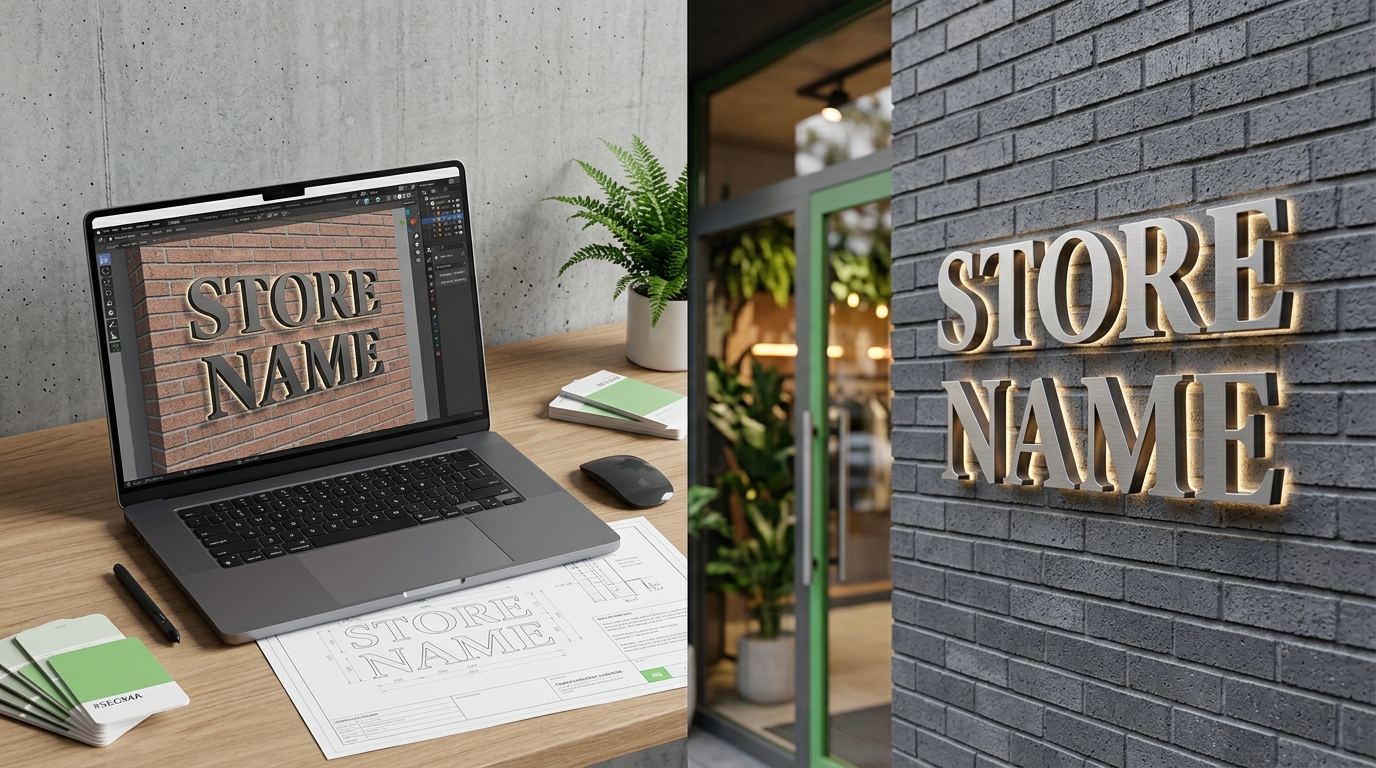
When searching for a reliable "3d letters sign board near me," it is important to understand the variables that influence the final cost. The overall 3d letter sign board price is determined primarily by the sign's size, material quality, and lighting complexity.
Dimensions, material thickness, structural support and installation access affect the quote. Brushed stainless-steel finishes and programmable RGB lighting add different fabrication or electrical requirements. Compare those options against a simpler PVC construction using the same wording, size and installation scope.
However, it is crucial not to compromise on quality just to save money upfront. Cheap materials will quickly degrade under harsh UV sunlight or heavy rain, leading to costly repairs and a negative brand image. Always prioritize long-term durability over short-term savings.
The Craftarea Advantage: Mastering How to Make 3D Signage
Craftarea has 7+ years of experience and more than 500 completed projects. The team can discuss storefront letters and signs with the material, lighting, installation and approval requirements set out in the project brief.
A sign project should connect the initial branding concept with fabrication and electrical or installation work. Confirm which steps Craftarea’s quotation includes and which require a separate provider or approval.
For an outdoor sign, ask Craftarea to identify the proposed materials, finishes, fabrication and installation details. Review the specifications against the site’s exposure, and confirm maintenance and written warranty conditions.
Whether you need a sleek acrylic logo for an interior reception desk or a massive illuminated channel letter system for a commercial building facade, our expert team provides turnkey window and signage solutions tailored to your exact specifications.
Frequently Asked Questions About 3D Signage
How long does it take to manufacture 3D signage?
Manufacturing begins after the design and material specifications are approved. The work may include cutting letter faces, building returns, assembling lighting and preparing fixings. The schedule also depends on material availability and installation access, so confirm those steps with the provider before setting a handover date.
Are 3D acrylic signs fully weatherproof?
An outdoor acrylic sign needs suitable sheet material, joints, fixing and electrical components. Weather performance belongs to the complete assembly and site conditions. Confirm specifications and maintenance rather than assuming full weatherproofing.
Can I customize the lighting on my 3D letter sign?
Front-lit, halo-lit and suitable colour-changing systems offer different lighting effects. Discuss the desired appearance, controls and operating hours with Craftarea, then confirm which components and colours can be supplied for the sign.
Do I need a permit to install 3D signage in Tbilisi?
Whether permission is needed depends on the property, location and proposed installation. Check the applicable requirements with the relevant authority or qualified adviser. Confirm the drawings and responsibilities needed before production and fitting are scheduled.
How do I maintain and clean my illuminated 3D sign?
Follow the material and lighting suppliers’ care instructions. Agree suitable cleaning products, inspection needs and safe service access with the installer. The maintenance schedule should reflect the actual sign and exposure.
What is the most cost-effective material for 3D letters?
For a limited budget, compare solid PVC letters with acrylic and metal alternatives in the actual size and finish. Solid opaque PVC letters do not have the same internal lighting arrangement as hollow channel letters. Confirm location suitability, painted finish and mounting before choosing the specification.
Conclusion: Elevate Your Brand with Volumetric Advertising
Understanding how to make 3d signage reveals the incredible craftsmanship and technical precision required to elevate a brand's physical presence. From the initial 3d letter signage design to the final glowing installation, every step is critical to achieving a professional, long-lasting result.
Volumetric letters add depth and can incorporate illumination. Compare the design with the site, budget and maintenance needs; any effect on visits or trust should be assessed from the business’s own results.
If you are ready to transform your storefront and outshine your competitors, trust the experts. Contact Craftarea today to discuss your unique project, request a custom digital mockup, and discover how our premium manufacturing solutions can bring your brand's vision to life.
Turn the logo into a production brief
Provide a vector logo and a photo of the facade with dimensions. Discuss letter depth, illumination and mounting before approving the mockup, then confirm how the sign will be installed and maintained.
3D letters and illuminated signs · Discuss your project with Craftarea