
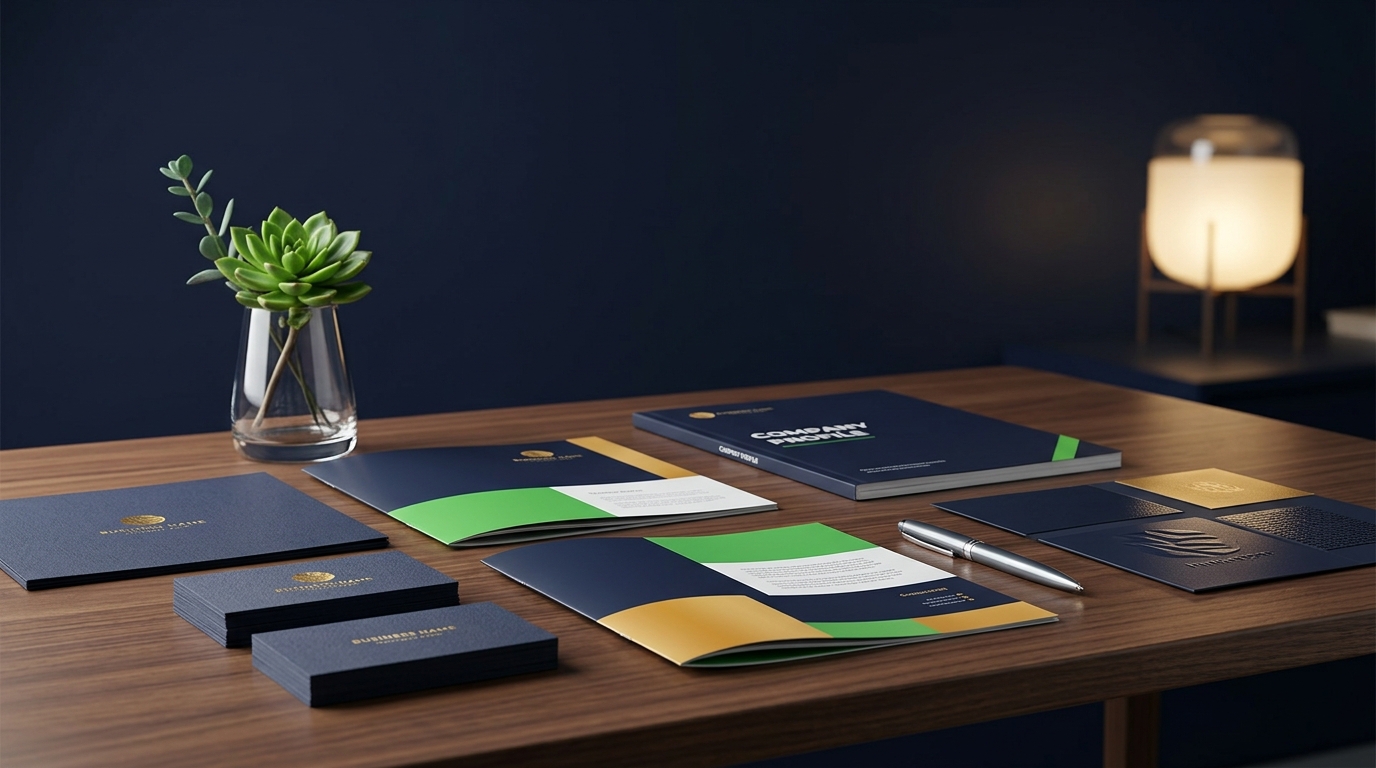
To answer the question of planning a print media marketing strategy (how to plan an effective marketing strategy with print media), you must align your physical materials with digital campaigns. A successful strategy requires defining your target audience, choosing the right print formats, and tracking ROI through QR codes and custom landing pages.
For international businesses, expats, and local startups operating in Georgia, mastering offline marketing is just as crucial as digital presence. Physical advertising builds immediate local trust and brand authority. Craftarea, an advertising company in Tbilisi, Georgia, has successfully guided numerous brands through this exact process.
With over 7 years of industry experience and more than 500 completed projects, we understand the nuances of the local market. In this comprehensive guide, we will explore the essential steps to build a powerful print advertising framework that drives tangible results.
Understanding the Value of Print Media Today
In a world dominated by digital screens, print media offers a refreshing, tactile experience. Digital fatigue is a real phenomenon, with consumers feeling overwhelmed by endless online advertisements. Physical marketing materials cut through this digital noise by demanding focused, physical interaction.
Printed materials offer a physical format for information that a person can keep or pass on. Choose a brochure, card or other item for that use, then evaluate responses within the campaign. A universal memory advantage over digital advertising should not be assumed.
Furthermore, print media conveys a sense of permanence and legitimacy. When a company invests in high-quality printed assets, it signals stability and professionalism to potential clients. This is especially true in traditional business environments where face-to-face networking remains the primary driver of new partnerships.
planning a print media marketing strategy: Step-by-Step
Developing a successful physical advertising campaign requires meticulous planning. You cannot simply print flyers and hope for the best. To truly understand planning a print media marketing strategy, you must follow a structured, data-driven approach.
1. Define Clear Campaign Objectives
Before designing any materials, you must establish what you want to achieve. Are you trying to increase foot traffic to a new retail store in Tbilisi? Or are you aiming to generate high-value B2B leads at an industry conference? Your core objective dictates every subsequent decision.
Clear objectives help you measure success later. If your goal is brand awareness, you might focus on large-scale outdoor advertising. If your goal is direct sales, targeted promotional flyers with specific discount codes will be much more effective.
2. Analyze Your Target Audience
Understanding exactly who will receive your printed materials is critical. In Georgia, your audience might range from international tourists exploring Old Tbilisi to corporate executives working in the Vake district. Each demographic responds differently to various design styles and messaging.
Create detailed buyer personas. Consider their age, income level, professional background, and daily habits. Knowing where your audience spends their time will heavily influence your distribution strategy and the type of physical media you choose to produce.
3. Establish a Realistic Budget
A comprehensive print strategy involves multiple cost factors. You must account for graphic design fees, the actual printing costs, and the expenses associated with distribution or installation. High-quality materials require a larger upfront investment but typically yield a much higher return on investment.
Allocate your budget based on your campaign priorities. It is often better to print a smaller quantity of premium, highly targeted materials than a massive run of cheap, low-quality flyers that will likely be discarded.
4. Prioritize High-Quality Graphic Design
Design is the silent ambassador of your brand. Your printed materials must be visually striking, easy to read, and perfectly aligned with your overall brand identity. Consistency in colors, typography, and logo placement is non-negotiable for building brand recognition.
Always design specifically for print. This means using the CMYK color space rather than RGB, ensuring all images are high resolution (at least 300 DPI), and including proper bleed margins. Working with professional designers ensures your final product looks exactly as intended.
5. Integrate Digital Tracking Mechanisms
One of the biggest myths about print media is that it cannot be tracked. Modern print strategies seamlessly blend offline and online worlds. By incorporating specific tracking tools into your designs, you can accurately measure the success of your physical campaigns.
Use dynamic QR codes that lead to specific landing pages. Print unique promotional codes on your flyers. Set up dedicated phone numbers or UTM-tagged URLs. These methods allow you to trace exactly how many leads or sales originated from a specific printed piece.
6. Plan a Strategic Distribution Method
Even the most beautifully designed brochure is useless if it doesn't reach the right hands. Your distribution strategy is just as important as the design itself. Will you use direct mail, hand them out at networking events, or display them in partner locations?
For businesses in Georgia, local distribution partnerships can be highly effective. Placing your high-quality materials in popular cafes, hotel lobbies, or co-working spaces can dramatically increase your visibility among relevant target audiences.
Key Types of Print Advertising for Your Strategy

Choosing the right medium is essential for executing your strategy effectively. Different formats serve entirely different purposes in the customer journey. Here are the most impactful types of print media you should consider integrating into your marketing plan.
Corporate Business Cards
Despite the rise of digital contact sharing, the traditional business card remains a cornerstone of professional networking. Handing over a well-crafted card is a universal sign of respect and preparation. It provides a tangible reminder of a personal connection.
To make a lasting impression, invest in premium business cards. Utilizing heavy paper stock, unique textures, or specialized finishes like foil stamping can instantly elevate your brand's perceived value in the eyes of a potential client.
Promotional Branding and Corporate Gifts
Branded merchandise extends the lifespan of your marketing efforts. When you give a client a high-quality branded notebook, pen, or piece of apparel, your logo integrates into their daily life. This creates continuous, passive brand exposure over months or even years.
Effective promo branding relies on utility and quality. If the item is useful and well-made, the recipient will keep it. This strategy is particularly effective for B2B relationship building and employee retention programs.
General Commercial Printing
Brochures, flyers, catalogs, and restaurant menus form the backbone of daily business operations. These materials provide detailed information that consumers can consume at their own pace. A well-structured catalog can serve as a silent salesperson for your product line.
When utilizing professional printing services, pay close attention to paper quality and folding techniques. A heavy, glossy brochure communicates luxury, while an uncoated, textured paper might convey an organic, eco-friendly brand identity.
Outdoor Advertising and Signage
Billboards, banners and vehicle graphics address different viewing situations. Select the location, format and message for the intended audience, and define how responses will be measured.
Strategic outdoor advertising requires bold, simple messaging. Drivers and pedestrians only have a few seconds to absorb your message, so the design must be instantly readable and highly memorable.
3D Volumetric Letters
Your physical storefront is your most important advertising asset. Modern, illuminated signage ensures your business stands out, especially at night. It acts as a permanent beacon for your brand in the local neighborhood.
Investing in custom 3D volumetric letters provides a premium, established look. Whether used on the exterior facade or behind a reception desk, this type of signage reinforces brand authority and professionalism.
Why Print Media Matters for Businesses in Georgia
The Georgian market possesses unique cultural and economic characteristics that make print media particularly effective. Understanding these local dynamics is crucial when figuring out planning a print media marketing strategy for your specific enterprise.
First, relationship-building is at the core of Georgian business culture. Face-to-face meetings, networking events, and personal introductions carry significant weight. In these scenarios, physical marketing materials serve as vital tools to legitimize your business and leave a lasting impression after the meeting concludes.
Second, Georgia has a booming tourism industry. Hundreds of thousands of international visitors explore Tbilisi, Batumi, and other regions annually. These tourists rely heavily on physical signage, printed maps, and local flyers to navigate the city and make dining or entertainment choices.
A catalogue or menu should present accurate information in a readable format. Paper, print quality and finishing should suit how the item will be handled and updated. Those practical choices help the material do its job.
How to Choose the Right Print Specifications

The technical specifications of your print job drastically affect the final outcome. You must make informed decisions regarding paper weight, coating, and finishing options. These choices determine both the durability and the aesthetic appeal of your marketing materials.
Paper weight is measured in GSM (Grams per Square Meter). Standard flyers typically use 130-150 GSM, while premium business cards should utilize 300-350 GSM. Heavier paper feels more substantial and luxurious in the hand, instantly conveying higher quality.
Coatings and finishes add the final polish. Matte lamination provides a smooth, elegant look that is easy to read under direct light. Gloss lamination makes colors pop and offers better protection against moisture. Spot UV varnish can highlight specific design elements, like your logo, creating a striking contrast.
Craftarea's Approach to Print Campaigns
Print marketing works best when the material has a clear purpose in the wider campaign. Give Craftarea the audience, message, distribution plan and print requirements so the physical deliverables can be coordinated.
Start by reviewing the approved logo, text, imagery and colour references. Define which materials Craftarea will produce and the proof required for each. Record artwork changes and approvals before production.
With a portfolio of over 500 successfully completed projects in Georgia, we understand the specific environmental and market challenges. We recommend the best materials for Tbilisi's climate, ensure optimal installation for outdoor signage, and deliver premium results that truly elevate your brand presence.
Conclusion

Mastering the physical realm of advertising is a powerful way to differentiate your brand in a crowded digital landscape. By taking the time to learn planning a print media marketing strategy, you can create memorable, high-converting campaigns that resonate deeply with your target audience.
Remember to set clear objectives, prioritize exceptional design, and seamlessly integrate digital tracking to measure your success. Whether you are targeting local consumers or international tourists in Georgia, high-quality print media remains an indispensable tool for building trust and driving real business growth.
If you are ready to elevate your brand with professional, high-impact printed materials, Craftarea is here to help. Contact our expert team in Tbilisi today to discuss your next advertising campaign and turn your strategic vision into a tangible reality.
Connect each printed item to one action
Decide whether the reader should visit, call, scan a code or take the material away. Send Craftarea the formats, quantities, artwork and distribution dates so the production plan supports that action.