
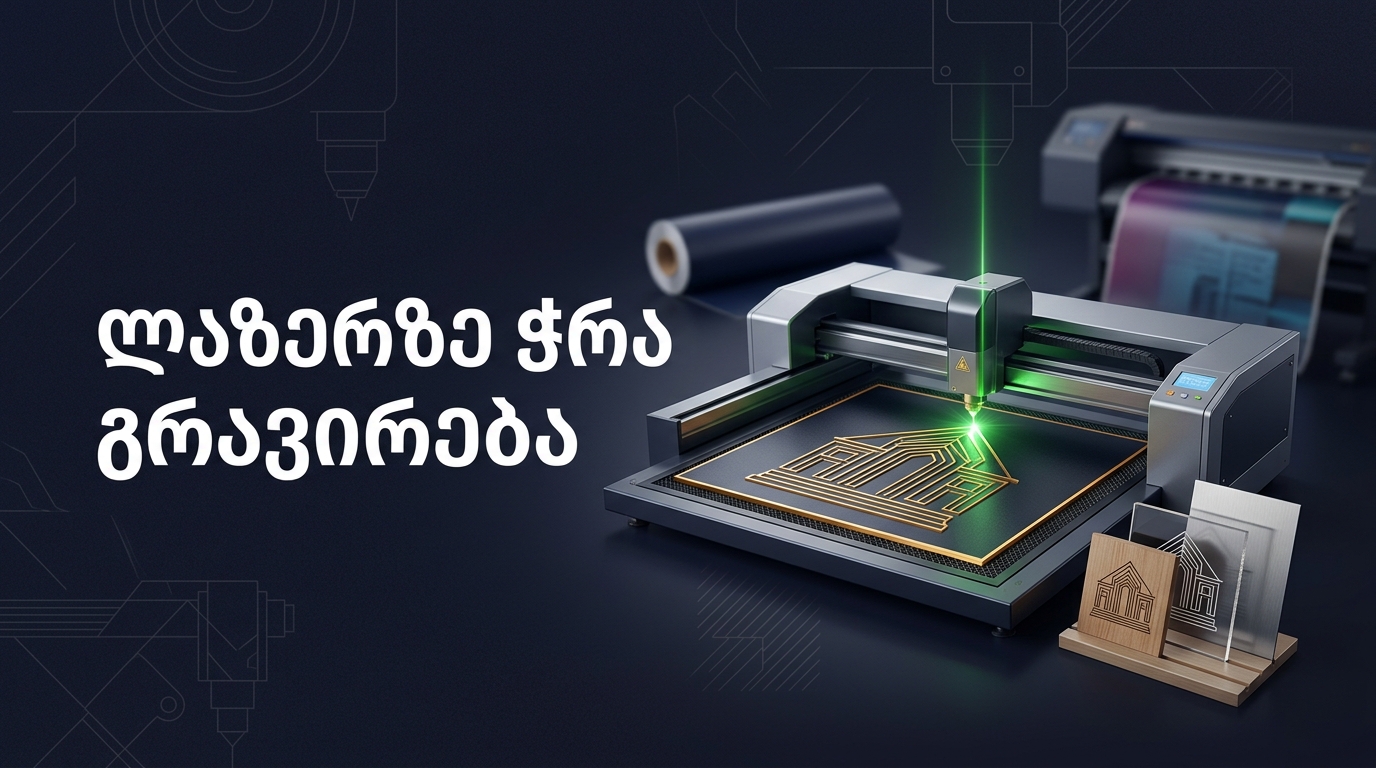
Need premium laser cutting and engraving in Tbilisi? This advanced manufacturing process uses highly focused light beams to cut and mark materials with microscopic precision. For international businesses and local enterprises in Georgia, it is the ultimate solution for creating custom promotional items, intricate signage, and striking branded architectural elements.
In today's highly competitive market, standard printed materials are often not enough to make a lasting impression. Modern brands require texture, depth, and permanence in their physical marketing assets. Whether you are opening a boutique hotel in Old Tbilisi, launching a tech startup, or organizing an international conference, professional laser services provide the exact edge your brand needs.
This guide covers laser processes, material selection and the information needed for a production enquiry in Georgia. Use the intended result—cut shape or surface mark—to begin comparing the available options.
What is laser cutting and engraving (Laser Cutting & Engraving)?
To fully understand the true value of laser cutting and engraving, we must first break down the advanced technology behind it. At its core, laser cutting and engraving utilize a computer numerical control (CNC) system to direct a high-powered laser beam onto a material's surface. The material then either melts, burns, vaporizes away, or is completely blown away by a jet of gas, leaving an edge with an exceptionally high-quality surface finish.
While often grouped together, cutting and engraving are two entirely distinct processes within laser processing. Laser cutting involves the intense beam penetrating entirely through the chosen material to create specific geometric shapes, elegant silhouettes, and structural components. This is frequently used for creating the solid base structures of 3D volumetric letters or crafting custom packaging displays.
Laser engraving removes only a small fraction of the material's top layer. This precise action creates a permanent, high-contrast mark, ideal for elegantly adding logos, serial numbers, or intricate artistic designs to varied surfaces. Because the high-tech laser never physically touches the fragile material, there is absolutely no mechanical friction, ensuring that even the most incredibly delicate items remain undamaged.
The Most Common Technologies for Laser Processing
- CO2 lasers: A CO2 system can cut or engrave compatible materials such as wood, acrylic, paper and suitable leather. Glass is an engraving application rather than a standard CO2 cutting material. The exact material, coating and thickness still need assessment.
- Fiber Lasers: These powerful solid-state lasers are highly effective for permanently marking and deeply engraving dense metals, including stainless steel, bright aluminum, polished brass, and hard titanium. They are completely essential for heavy industrial branding and high-end corporate gifts.
- Diode Lasers: Often used for smaller, less intensive engraving tasks. While not as powerful as CO2 or Fiber lasers, they are quite useful for specific niche applications.
Key Materials Used in laser cutting and engraving
Laser material choice affects the appearance, strength and use of the finished item. Start with a clear distinction between a cut shape and an engraved surface, then identify the exact material, coating and thickness. Outdoor items also need a suitable material and installation specification.
Acrylic (Plexiglass): Acrylic is available in different colours, thicknesses and transparencies for lettering, displays and sign faces. Cutting and engraving results vary by grade and settings. Confirm the selected sheet’s suitability for outdoor exposure where the finished item will be installed outside.
Wood and plywood: Suitable wood sheets can be used for branded items, restaurant menus and interior decor. Grain, adhesive and finish influence the laser result. Ask for a sample of the proposed birch, oak-faced or other stock, and check environmental claims separately.
Metals: Aluminum, stainless steel, and brass are routinely utilized for premium corporate plaques, heavy industrial tags, and high-end outdoor signage. While CO2 lasers can easily mark metals using special chemical sprays, fiber lasers remain the gold standard for deep, extremely permanent metal engraving tasks.
Specialty Materials for Custom Laser Projects
- Leather: Genuine and synthetic leather engrave beautifully, readily making them completely ideal for custom wallets, bespoke keychains, and premium corporate gifts.
- Glass and mirrors: Suitable glass surfaces can receive a frosted engraved effect. Identify the glass or mirror construction, shape and coating, and confirm that the intended marking process is appropriate before supplying an item.
- Cardboard and Paper: Used extensively for intricate architectural models, custom event invitations, and bespoke packaging solutions.
How the Process Works: A Step-by-Step Guide to laser cutting and engraving
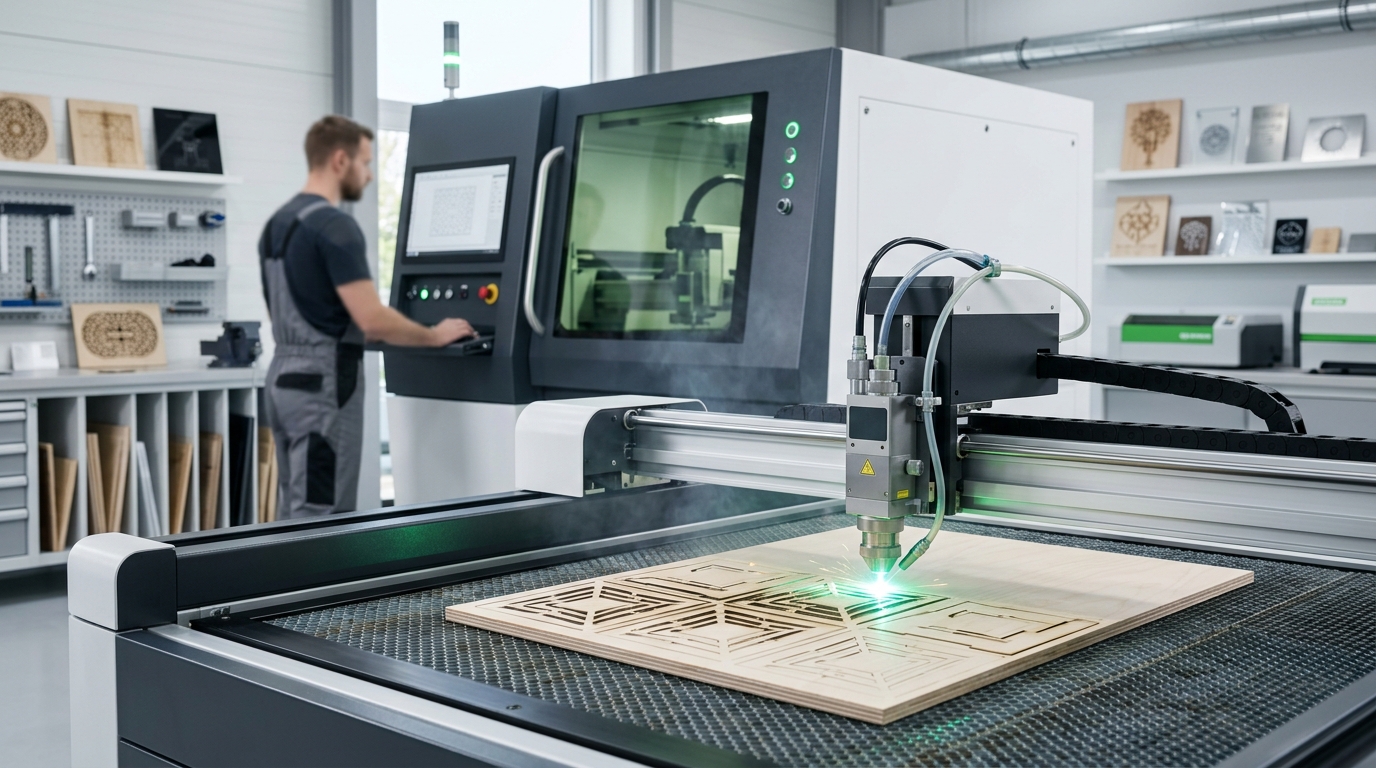
Laser work requires material identification, a suitable process and a reviewed drawing. Agree the preparation, production and inspection steps for the order, including any required standards or acceptance criteria.
The exciting journey from an initial concept to a stunning finished product reliably involves precise digital file preparation and expert machine operation. Here is exactly how the highly professional laser cutting and complex engraving process efficiently works:
- Vector drawing: Cutting needs clean paths at the correct scale, with suitable line and layer settings for the production workflow. Review small features, text and engraving areas with the provider before approving the drawing.
- Material Preparation: The carefully chosen material is thoroughly inspected for any visual flaws, deeply cleaned, and tightly secured onto the laser bed. For certain sensitive materials, protective masking tape is meticulously applied to actively prevent unwanted smoke stains or accidental heat damage on the pristine surface.
- Process settings: The operator selects settings for the identified material, thickness and intended result. A trial on the proposed stock can help establish the achievable detail and edge appearance before a batch is approved.
- Production: The provider should process the identified material using the equipment manufacturer’s operating, extraction and monitoring requirements. Air assist and extraction are parts of that setup; they do not remove the need for safe material selection and supervision.
- Post-Processing: Once the busy machine finally finishes, the warm pieces are incredibly carefully removed, deeply cleaned, and expertly assembled. This vital stage might often involve gently peeling off sticky protective masking, creatively painting deeply engraved areas, or securely integrating the finished pieces into massive outdoor advertising structures.
Why laser cutting and engraving Matters for Businesses in Georgia
Signs and branded objects can help a hotel, retailer or office present its identity. Choose the production method for the material, location and communication task. Any effect on foot traffic or customer trust should be measured from the business’s own results.
Crucial first impressions matter immensely. When a curious potential customer happily walks past your inviting storefront or gratefully receives a well-crafted promotional item directly from your modern company, the undeniable physical quality of that given item reflects directly on your brand's overall perceived value. A standard, flat, unremarkable printing job might barely convey basic information, but precise laser-cut physical elements loudly convey undeniable authority, supreme quality, and lasting permanence.
Furthermore, the massive ongoing tourism boom strictly means local businesses are constantly catering to an incredibly diverse international clientele with exceptionally high visual expectations. Busy restaurants desperately need highly durable, beautifully engraved wooden menus. Luxury boutique hotels strictly require extremely elegant, precise laser-cut room numbers and clear wayfinding signs. Massive corporate events constantly demand highly unique, beautifully crafted locally produced promotional merchandise rather than cheap generic imported plastics. This is where professional laser cutting and engraving truly shines.
Strategic Benefits for Your Brand
- Detail and geometry: Laser cutting can produce suitable intricate outlines, but the minimum feature size depends on material, thickness and equipment. Confirm fine text, holes and tolerances from the drawing.
- Scheduling: File preparation, material supply, cut length, engraving area and finishing affect production time. Send the complete specification and required date so Craftarea can assess the available schedule.
- Batch consistency: Repeated files support a consistent design, but material variation and process settings still matter. Agree dimensions, appearance and inspection criteria for the quantity being ordered.
- Value: Compare the material, fabrication, finishing and installation cost with the purpose of the item. Laser processing does not itself guarantee a longer life, stronger brand recall or a particular return on investment.
How to Choose the Best laser cutting and engraving Partner in Tbilisi
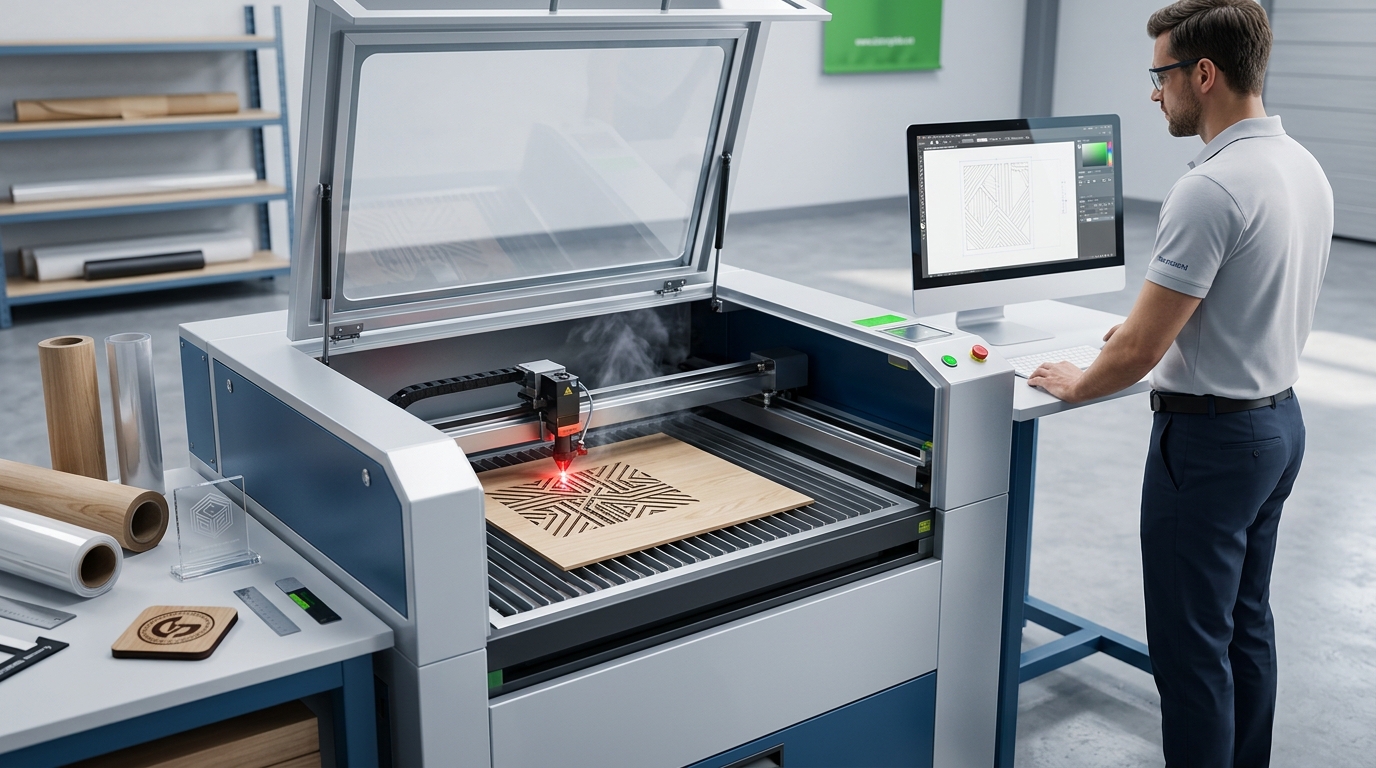
Compare providers through relevant work, material samples and an itemised proposal. For a laser project, ask which process is available, which files are required and how the finished result will be approved.
Review examples made from materials comparable to your project. Wood grain can affect engraved text, and coloured acrylic needs a specification suitable for its use. A relevant sample is more informative than a broad claim of production experience.
Second, carefully consider their actual capabilities for advanced laser production. Do they actually have both modern CO2 and powerful Fiber lasers? What is the true maximum bed size of their active cutting machines? A well-equipped studio with massive large-format industrial lasers can easily handle incredibly massive outdoor signs completely seamlessly, whereas much smaller, limited shops might frustratingly have to awkwardly piece your beautiful design together, sadly resulting in highly visible, ugly seams.
Questions to Ask Your Advertising Studio
- Do you actually offer dedicated in-house design support to properly optimize my complex vector files directly for laser cutting?
- What is your exact, detailed quality control process for massive, large-volume promotional branding orders?
- Can you seamlessly integrate precise laser-cut elements creatively with other essential services, such as bright LED illumination or vibrant wide-format printing?
- Do you also provide professional, safe installation services for the massive final architectural signage?
Craftarea's Approach to Premium laser cutting and engraving
Craftarea has 7+ years of experience and more than 500 completed projects. Contact the team with a drawing, material details and intended use to discuss suitable cutting or engraving options.
Craftarea can review laser-cutting and engraving enquiries for signs, gifts and other branded items. Send the material, size, artwork and required detail. Confirm the available process and achievable result before combining laser work with other production methods.
A combined project might use a laser-cut acrylic logo, a printed graphic and a fabricated sign assembly. Specify how those components fit together and review colours on the actual materials. Agree production responsibilities and the installation plan; combining suppliers or processes does not by itself establish a cost or timing advantage.
Real-World Applications by Craftarea
- Corporate Headquarters: Stunningly layered, precision laser-cut thick acrylic and polished metal lobby signs that successfully establish immediate, undeniable corporate authority.
- Hospitality Sector: Beautifully custom-engraved premium wooden table tents, elegant authentic leather menu covers, and incredibly elegant room key tags crafted specifically for Tbilisi's absolute top luxury hotels.
- Event items: A conference order may include engraved gifts or cut promotional pieces. Confirm the item models, personalisation data, quantities and required handover date before agreeing production.
Frequently Asked Questions (FAQ) About laser cutting and engraving
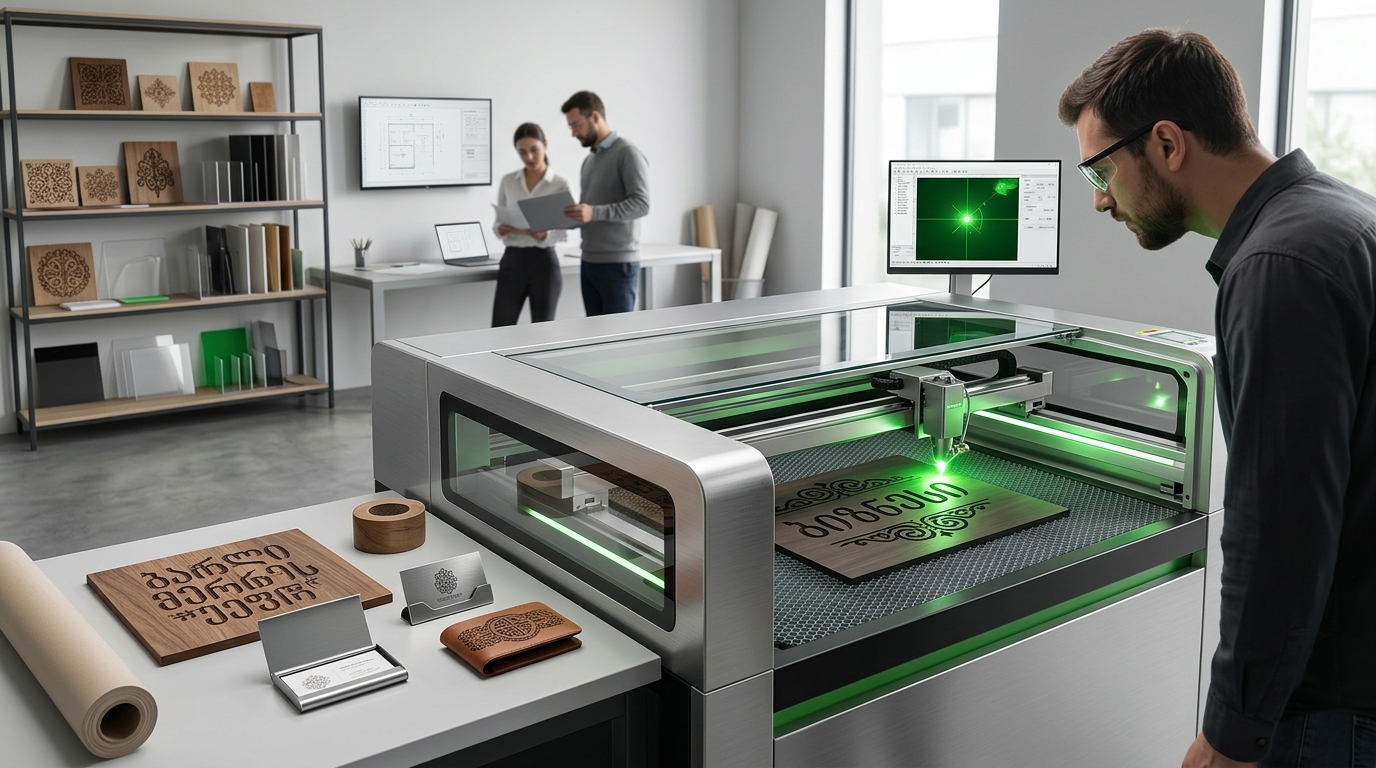
Successfully navigating the incredibly complex technical aspects of modern advertising production can admittedly be quite complex. To actively help you comfortably make highly informed, strategic decisions, we have comprehensively compiled the absolutely most incredibly common questions our valued international clients frequently ask us directly regarding advanced laser services in Georgia.
What is the maximum thickness a laser can cut?
Maximum cutting thickness depends on the material, machine, optics and required edge quality. Send Craftarea the exact sheet specification and drawing, and ask which process and thickness can be accepted. CNC routing or another method may be considered where laser cutting does not suit the proposed part.
Can you engrave photographs onto wood or acrylic?
Photographs can be prepared for laser engraving using a pattern of dots to suggest tonal detail. The achievable contrast depends on the source image, material and marking process. Wood, glass and anodised aluminium give different appearances, so approve a sample for the chosen item before production.
How long does a typical laser cutting and engraving project take in Tbilisi?
Laser-project timing depends on the material supply, number of parts, cut-path complexity, engraving area and finishing. A repeated gift batch and an installed architectural sign require different preparation. Send Craftarea the complete drawing and required date so a feasible production and handover schedule can be agreed.
Are laser-cut edges sharp or dangerous?
Laser-cut edges vary by material, thickness and settings. Acrylic and wood produce different appearances and may need additional finishing. Define the edge quality and handling requirements, and approve a sample for items that will be touched or used as consumer products.
Can I bring my own materials for engraving?
Confirm acceptance of customer-supplied material with Craftarea before bringing it for processing. Provide its identity, coating and thickness. PVC is unsuitable for laser processing because it can release hazardous, corrosive gases; unidentified plastics also need assessment.
Conclusion: Elevate Your Brand with Precision
Laser cutting and engraving can create shaped parts, surface text and personalised details for signs and gifts. Wooden cards, acrylic logos and engraved objects each need their own material and production choices. Start with the intended use and confirm a suitable process for the design.
Explore the Craftarea blog for related production guides, or contact the Tbilisi team with your cutting or engraving brief. Include the material, dimensions, artwork and quantity so the enquiry can be assessed.
Give each part a material and size
Attach the vector file or a dimensioned sketch, then list the material, thickness and quantity for each part. Mark which lines should be cut and which details should be engraved.
Laser cutting and engraving · Discuss your project with Craftarea
Check a fitted assembly before repeating its parts
For a slotted stand or a box insert, mark which dimensions control the fit and identify the mating part. Label cut-through outlines, engraved marks and reference dimensions separately. Do not scale the whole drawing to fix a single tight joint; that can change every other dimension.
Evaluate a representative joint using the intended material and measured thickness before approving repeated parts. Record which drawing version the sample represents and whether the check concerns fit, edge appearance or legibility. Quote the full assembly and the individual part quantities separately when they differ.