
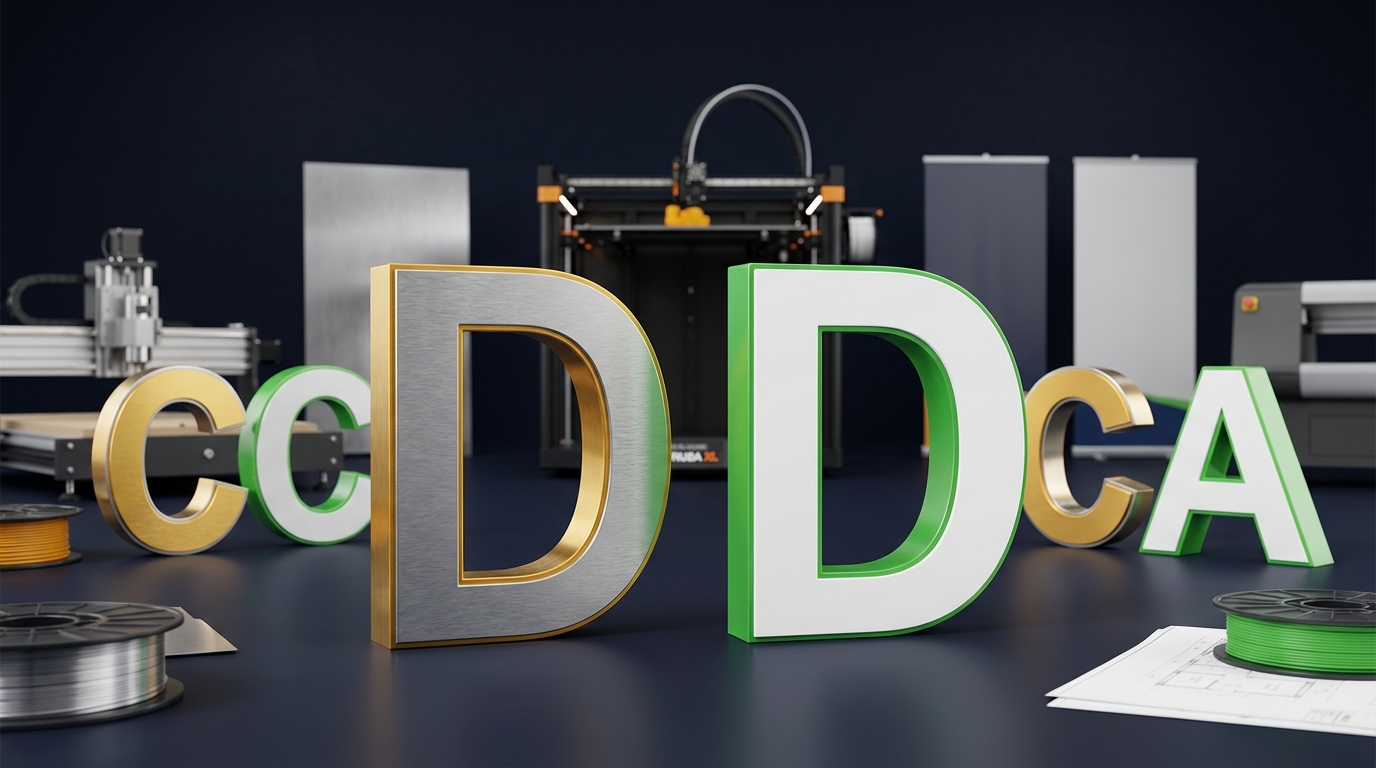
When choosing commercial signage, the decision often comes down to your primary goal. 3d metal letters for signs deliver unmatched durability and a premium architectural look. Meanwhile, plastic alternatives provide excellent versatility for bright, face-lit illumination.
Understanding material properties and fabrication methods is crucial for an informed investment. The physical characteristics of your chosen material dictate aesthetic appeal, longevity, and maintenance requirements.
Consider the following locations where material choice matters:
- High-end corporate lobbies
- Vibrant retail storefronts
- Sprawling exterior building facades
Craftarea can help you navigate these choices to find the best fit for your specific environment.
The Unique Advantages of 3D Metal Letters for Signs
Metal signage is universally recognized as the standard for permanence and professional branding. When business owners specify 3d metal letters for signs, they typically choose from three primary alloys: aluminum, stainless steel, or brass. Each metal offers distinct mechanical properties suited for different environmental conditions.
Aluminum is widely utilized for large-scale outdoor commercial signage. It is inherently rust-proof, relatively lightweight, and highly malleable. This makes it an ideal choice for both flat-cut designs and complex, hollow channel letters.
Because aluminum takes well to industrial coatings, it is frequently powder-coated or painted. When you need large-scale 3d metal letters for signs mounted high on a facade, aluminum provides a superb strength-to-weight ratio. It ensures a secure installation without overwhelming the wall's structural integrity.
Stainless steel offers a dramatically different aesthetic profile. Known for exceptional tensile strength and superior corrosion resistance, it is a preferred choice for corporate headquarters. Since it is heavier than aluminum, fabrication is more labor-intensive.
However, the visual payoff of stainless steel is substantial. These 3d metal letters for signs are frequently finished with directional brushing or high-polish mirroring. This creates a sophisticated, reflective surface that conveys stability and prestige.
Brass, bronze, and copper are specialty metals used for their classic appeal. Unsealed brass and copper will naturally oxidize over time to develop a unique patina. If a bright finish is required permanently, the metal must be treated with a high-grade clear coat.
Comparing Plastic and Acrylic to 3D Metal Letters for Signs
While metal excels in raw durability, plastic remains a highly versatile material in the signage industry. If your location relies on nighttime visibility and vibrant colors, plastic is an indispensable component.
3d acrylic letters signage is an industry standard for illuminated displays due to its excellent light diffusion. When comparing plastic to solid 3d metal letters for signs, the most significant difference is light transmission. Solid metal is completely opaque; light cannot pass through its face.
If your brand guidelines require the entire letter face to glow brightly, acrylic is the mandatory material choice. Beyond illumination, high-density PVC and acrylic are substantially lighter than solid steel or brass.
This lighter weight simplifies the mounting process, particularly on delicate exterior facades that cannot support heavy structural loads. Furthermore, plastic can be easily CNC-routed or laser-cut. This allows fabrication teams to execute intricate logos that might be cost-prohibitive to achieve with thicker metal plates.
Illumination Methods for 3D Metal Letters for Signs
The method used to illuminate your sign drastically alters its nighttime appearance. Because solid metal completely blocks light transmission, fabricating illuminated 3d metal letters for signs requires specialized lighting techniques.
The most popular method for illuminating metal signage is the 'halo-lit' or reverse-channel configuration. In this setup, the metal letters are fabricated as hollow channels. High-efficiency LED modules are installed inside the back of the letters, facing the mounting wall.
When activated, light reflects off the wall to create a sophisticated glowing silhouette. This method provides high visibility without harsh glare. Consequently, halo-lit 3d metal letters for signs are highly sought after for upscale retail centers and corporate exteriors.
Alternatively, a hybrid approach beautifully combines metal and plastic. Fabricators create an aluminum channel housing and fit it with a translucent acrylic face. This provides the structural integrity of metal sides coupled with the vibrant illumination of acrylic on the front.
Installation and Structural Mounting Techniques
The installation method for dimensional letters depends on material weight, surface conditions, and electrical requirements. Proper installation ensures your signage remains secure during high winds and extreme weather.
For non-illuminated, flat-cut 3d metal letters for signs, stud mounting is the most common approach. Threaded metal studs are glued or welded to the back of the letters. The letters are then pushed into pre-drilled holes using commercial-grade construction adhesive.
When installing illuminated 3d metal letters for signs, the process becomes more complex. Power supplies and low-voltage wiring must be safely routed behind the wall. If accessing the area behind the wall is impossible, letters are often mounted to a custom raceway.
A raceway is a rectangular metal box that houses all the necessary electrical components. The letters are mounted directly to the box, and the box is painted to match the building facade. This minimizes the number of penetrations required in the exterior wall.
Maintenance and Longevity of Commercial Signage
All exterior signage requires regular maintenance to perform optimally over its expected lifespan. The maintenance requirements between metal and plastic signs differ significantly based on environmental interactions.
3d metal letters for signs are exceptionally resilient and resist most severe weather. Aluminum will not rust, and stainless steel heavily resists corrosion. However, both will accumulate environmental dirt, pollen, or exhaust soot over time.
Maintenance involves gently washing the letters with a soft cloth, mild soap, and water. Abrasive cleaners should never be used, as they can scratch polished finishes. Channel letters must also have their lower weep holes kept clear of debris to prevent rainwater accumulation.
Acrylic and plastic letters require similar cleaning protocols but are slightly more susceptible to environmental wear. While high-quality cast acrylic is highly UV-resistant, prolonged exposure to intense sunlight can eventually cause minor fading or brittleness. However, modern plastics are engineered to withstand severe weather for years.
Understanding the 3D Letters Sign Board Price Variables
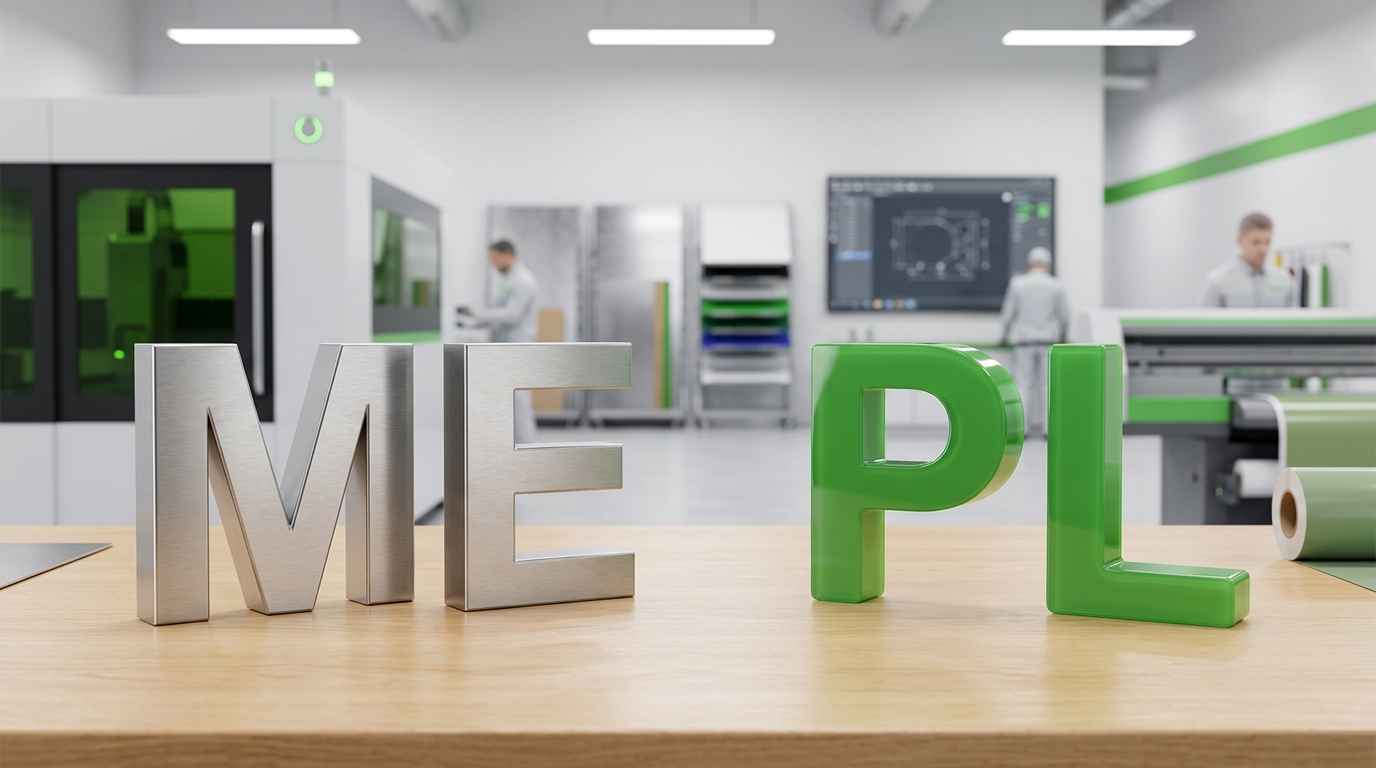
A frequent inquiry involves determining the exact 3d letters sign board price. Because every sign is manufactured to specific client requirements, there is no standardized flat rate. Whether requesting standard acrylic or premium 3d metal letters for signs, the final investment depends on several variables:
- Material Yield: Premium metals carry higher raw material costs than standard aluminum or PVC.
- Fabrication Complexity: Custom-welded channel letters require more labor than flat-cut acrylic designs.
- Illumination Components: Integrating commercial-grade LEDs and power supplies significantly increases costs.
- Installation Logistics: Installing large 3d metal letters for signs on high floors requires specialized lifting equipment and extended labor hours.
To provide an accurate estimate, Craftarea requires specific inputs from your team. This includes vector artwork, desired dimensions, material preferences, and structural details about the intended installation site.
Emerging Trends: 3D Printed Letters for Signage
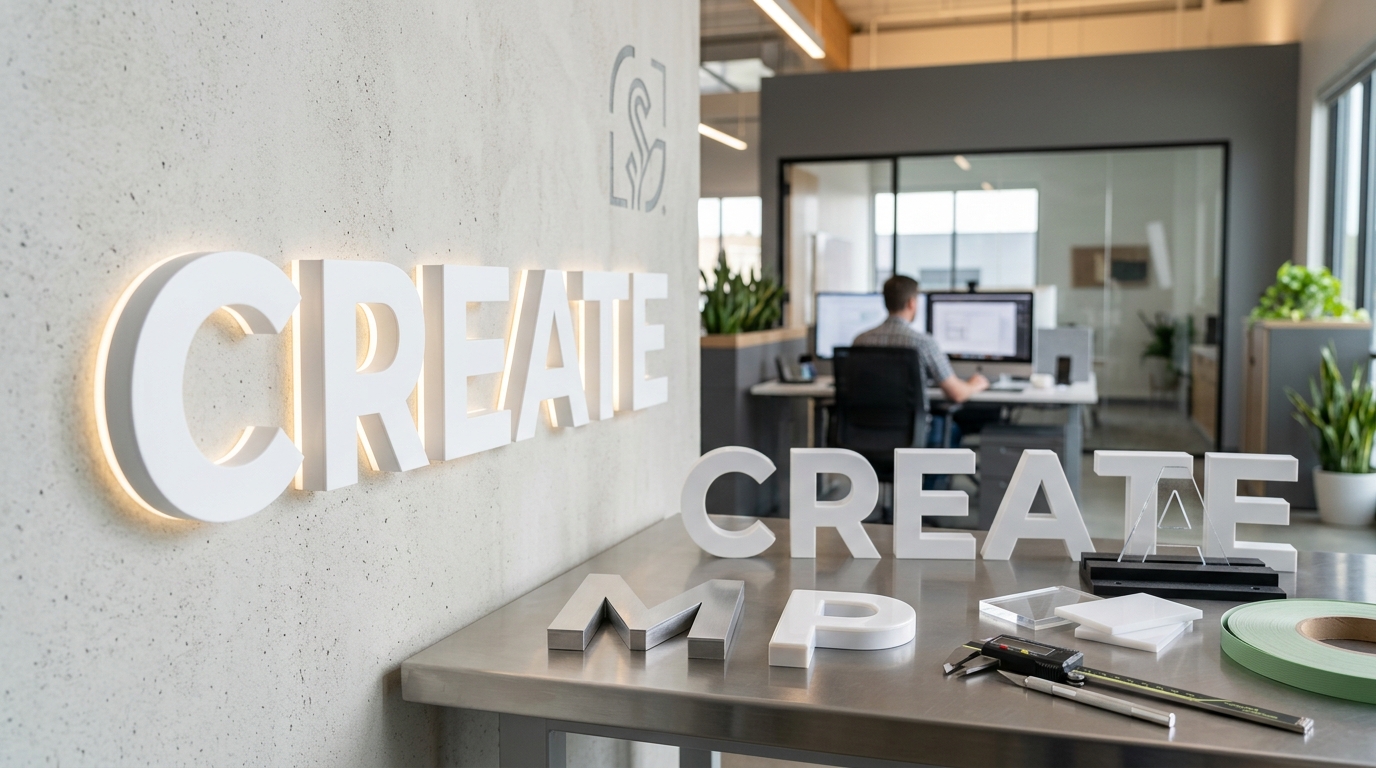
As commercial manufacturing technology rapidly evolves, 3d printed letters for signage are emerging as a viable alternative for intricate custom designs. A 3d print letters for sign project utilizes industrial-grade polymers to build letterforms layer by layer directly from a digital file.
This modern additive method is particularly useful for creating complex geometric shapes or extreme depths. It tackles designs that would be exceptionally time-consuming to fabricate using traditional metal bending or plastic heating techniques.
While not yet a replacement for massive outdoor structural 3d metal letters for signs, 3D printing offers exciting possibilities. It is a highly cost-effective method for indoor branding, bespoke retail displays, and rapid prototyping.
Consulting with Signage Experts
Ultimately, the choice between metal, plastic, or a hybrid approach depends on your specific brand identity and physical location. If you need a classic, indestructible sign that projects established authority, 3d metal letters for signs are the superior choice. If you require highly visible, vibrant glowing colors, acrylic is your best option.
At Craftarea, we specialize in fabricating premium 3D letters and comprehensive custom signage solutions. Craftarea approaches each project with a strict focus on structural integrity and brand accuracy.
Our fabrication team can evaluate your specific commercial requirements and recommend the most suitable materials. We seamlessly handle everything from elegant metal reception logos to fully illuminated storefront facades.
Learn more about material properties and performance in our signage blog. Contact Craftarea today to discuss your project inputs and receive an accurate manufacturing quote.