
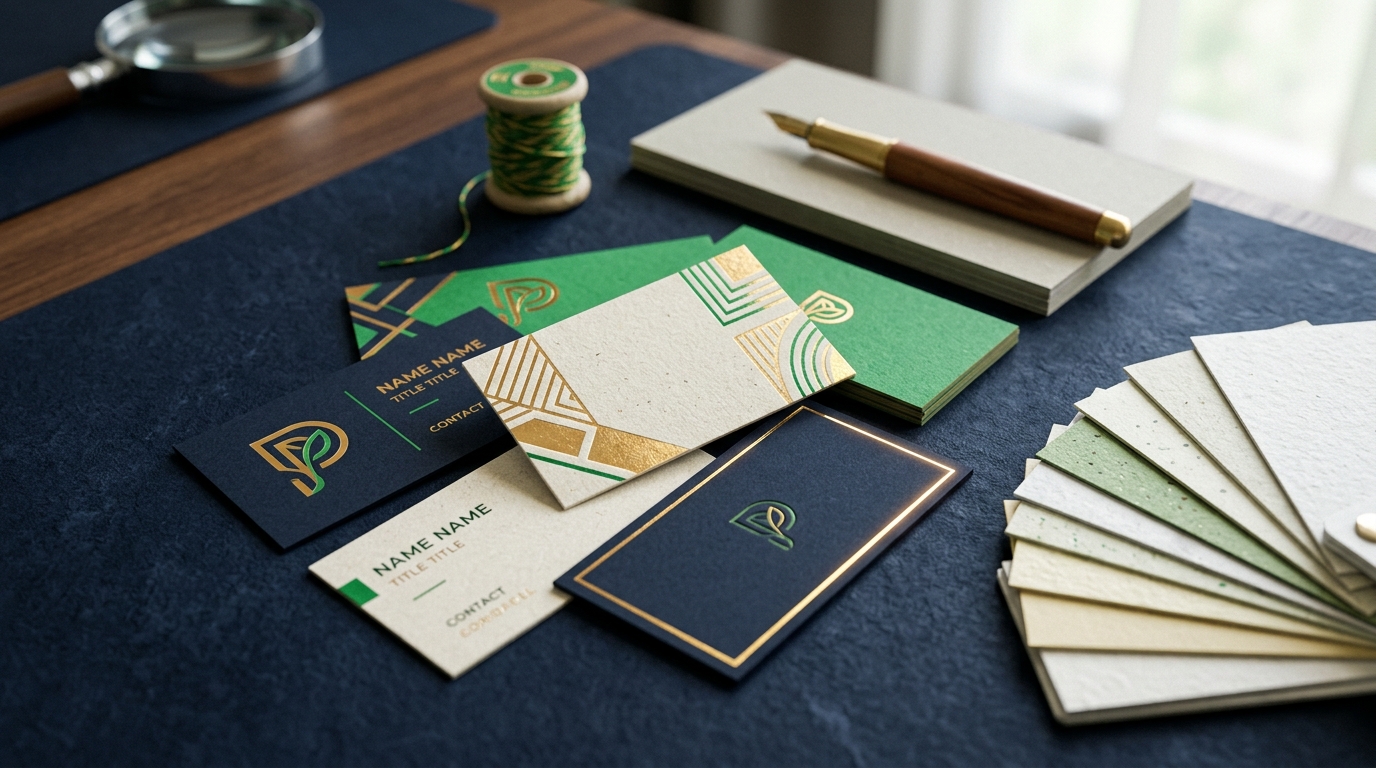
What is the standard for premium networking in Georgia? The answer lies in modern business cards: design, paper sourcing and print quality. This translates to modern business cards focusing on innovative design, eco-friendly printing, and uncompromising quality to create lasting professional impressions.
In today's highly competitive business landscape, a physical handshake is often followed by the exchange of a business card. For international companies, expats, and local enterprises operating in Tbilisi, this small piece of paper carries immense weight. It is a tangible representation of your brand's identity, values, and professionalism.
Craftarea has 7+ years of experience and more than 500 completed projects. This guide covers business-card design and printing choices, including paper, layout and finishing for an order in Georgia.
Understanding modern business cards: design, paper sourcing and print quality
When entering the Georgian market, professionals often seek the highest local standards for their corporate identity. The phrase modern business cards: design, paper sourcing and print quality perfectly encapsulates the three essential pillars of modern corporate stationery. Let us break down why each of these components is critical for your success.
A business-card design needs clear contact information, readable type and useful spacing. Keep the logo and essential details easy to find; remove information that competes with the action you want the recipient to take.
Second, eco-printing has transitioned from a niche trend to a corporate necessity. Modern consumers and B2B partners highly value sustainability. Utilizing recycled materials and environmentally friendly inks demonstrates corporate social responsibility. It shows that your business cares about its environmental footprint, which is a powerful message to convey during a first meeting.
Finally, quality is the tactile element that ties everything together. You can have a brilliant design, but if it is printed on flimsy, cheap paper, the impact is lost. Premium quality involves selecting the right paper weight, texture, and finishing techniques to ensure the card feels substantial and luxurious in the recipient's hand.
Key Types of Modern Business Cards in Georgia
The days of one-size-fits-all networking materials are long gone. Today, businesses have a wide array of options to choose from. Selecting the right format depends heavily on your industry, target audience, and brand personality. Here are the most popular types of premium business cards available today.
1. Minimalist and Corporate Cards
Minimalism remains a dominant trend in corporate design. These cards utilize ample negative space, clean sans-serif typography, and a restricted color palette. The goal is to convey confidence and clarity. By removing unnecessary elements, the focus remains entirely on the essential contact information and the brand's core identity.
2. Eco-Friendly and Recycled Cards
Recycled and kraft-look papers can offer a natural, uncoated appearance. Check the actual stock’s composition and supplier documentation: brown colour or texture alone does not establish recycled content or an environmental certification.
3. Textured and Embossed Cards
For brands wanting to make a strong tactile impression, textured papers are the perfect choice. Techniques like embossing (raising the paper) or debossing (pressing into the paper) add a 3D physical dimension to the card. When a potential client runs their thumb over your embossed logo, it creates a memorable sensory experience.
4. Smart NFC Business Cards
The intersection of physical and digital networking has given rise to NFC (Near Field Communication) cards. These innovative cards contain a small microchip. When tapped against a modern smartphone, they instantly transmit your digital contact details, portfolio, or website directly to the user's screen, bridging the gap between traditional and digital networking.
The Business Benefits of Eco-Printing and Premium Quality
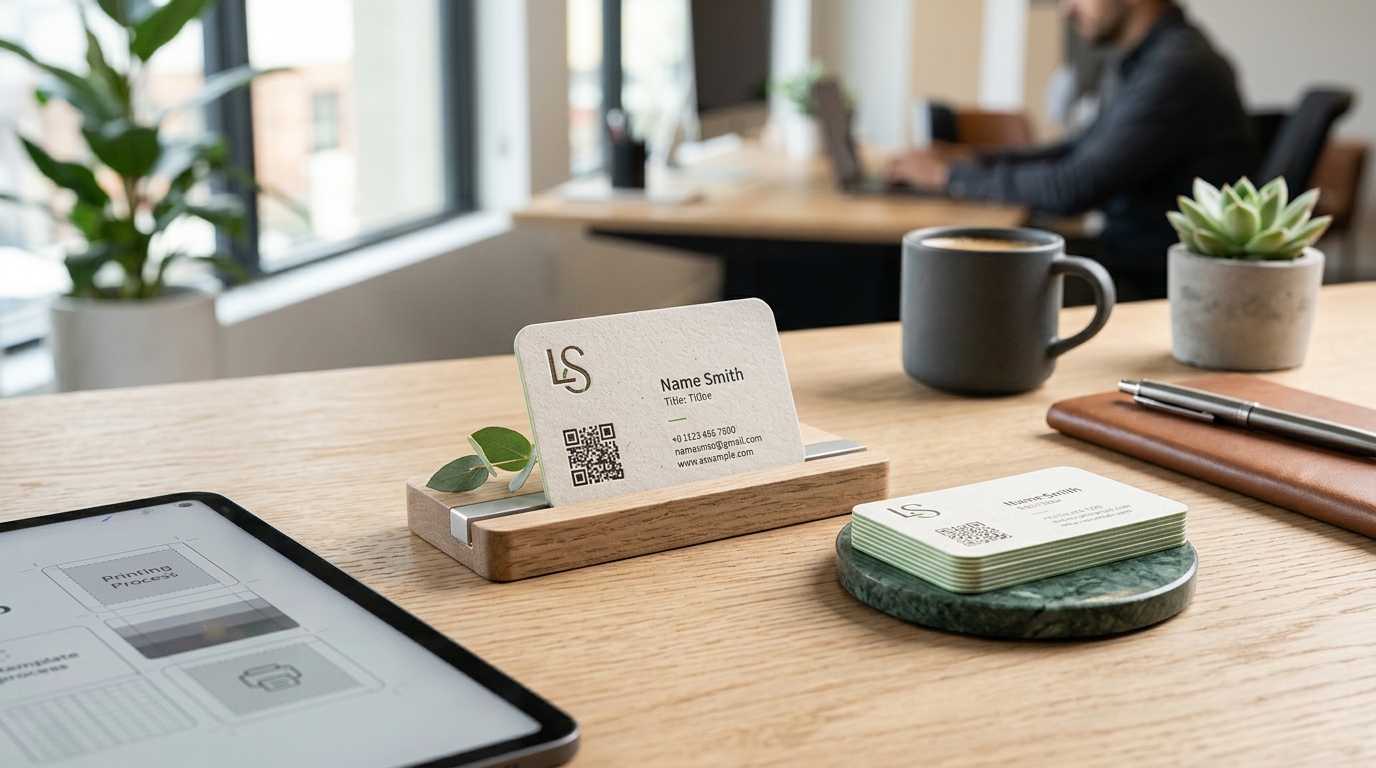
For business cards, compare readability, paper feel, finishing and documented environmental attributes. Price the options that meet the intended use; higher-cost paper alone does not establish a better business outcome.
Enhanced Brand Perception: Your business card is often the first physical interaction a prospect has with your brand. A heavy, beautifully finished card silently communicates that your business is stable, successful, and pays attention to detail. It builds immediate trust and authority in your respective industry.
Memorable Tactile Experience: Human beings are highly tactile creatures. We remember things we touch much better than things we merely see. A card with a soft-touch lamination or a textured linen finish engages multiple senses. This sensory engagement ensures that your card is kept rather than discarded.
Demonstrated Corporate Responsibility: By choosing eco-friendly printing services, you align your brand with modern sustainable values. This is particularly important when dealing with international clients in Georgia, as many multinational corporations have strict sustainability guidelines for their vendors and partners.
How to Choose the Right Materials and Finishes
Select card materials and printing techniques by comparing samples with the actual design. The points below help identify the stock, colour and finishing decisions to settle before ordering.
Understanding Paper Weight (GSM)
Paper thickness is measured in GSM (Grams per Square Meter). Standard, budget-friendly cards usually sit around 250 GSM. However, for a truly professional feel, we strongly recommend a minimum of 300 to 350 GSM. For luxury brands, duplexing (gluing two sheets together) can create ultra-thick cards of 600 GSM or more.
Coated vs. Uncoated Paper
Coated paper has a surface sealant, usually resulting in a matte or glossy finish. It makes colors pop and provides a smooth feel. Uncoated paper, on the other hand, absorbs ink differently and offers a more natural, textured feel. Uncoated stocks are essential for eco-friendly designs and those wanting a classic, understated look.
Specialized Finishing Options
Finishes are the final touches that elevate a standard card to a premium level. Foil stamping adds metallic accents (like gold or silver) to specific areas. Spot UV coating applies a glossy, raised clear coat to logos or patterns, creating a striking contrast against a matte background.
The Role of Typography and Color in Card Design
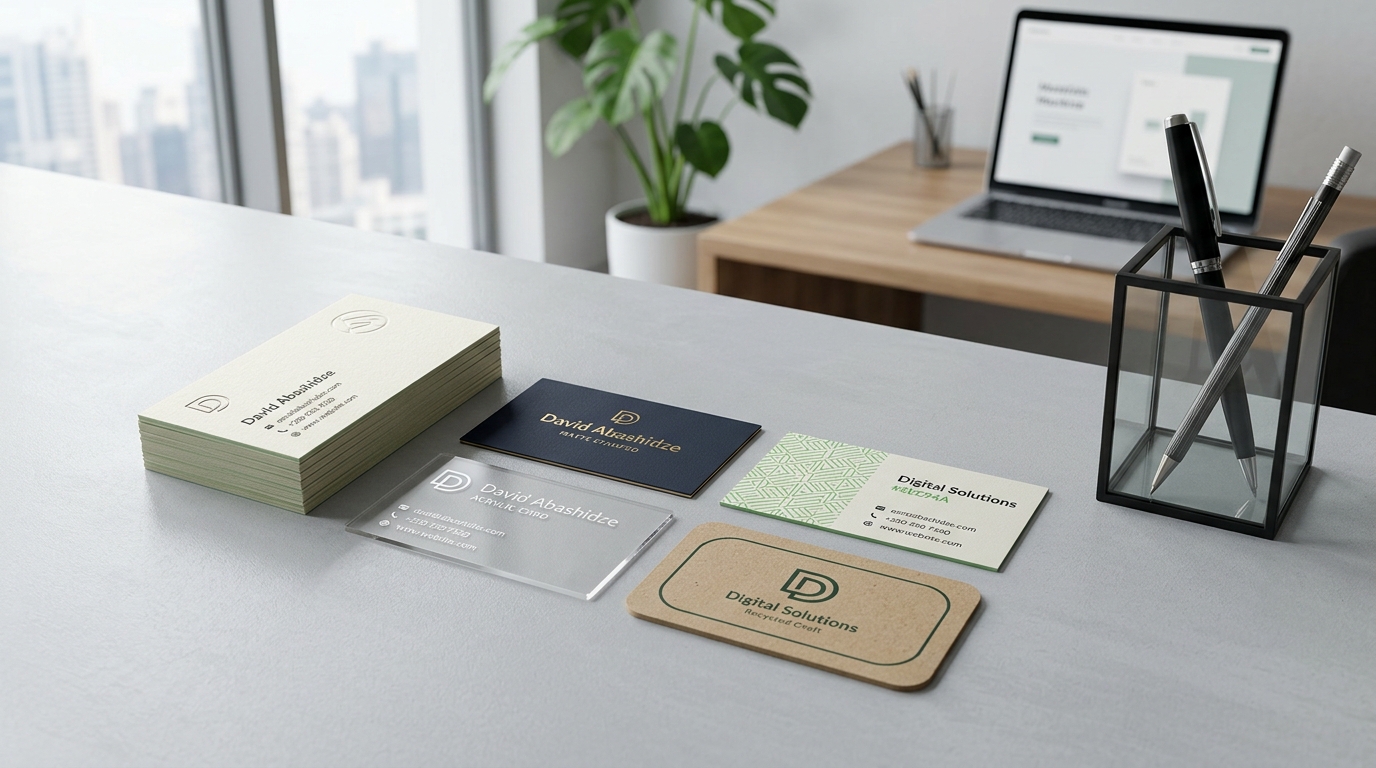
Typography and colour should follow the brand while remaining legible at the finished card size, such as a proposed 90 × 50 mm format. Check the layout at actual size. Screen colours can differ from print, so review a colour reference or proof on the selected stock.
Typography should be clean and readable. We generally advise against using more than two different fonts on a single card. The primary font should be used for your name and company, while a simpler, highly legible secondary font is best for contact details like phone numbers and email addresses.
Color psychology also plays a crucial role. Blue conveys trust and corporate stability, making it popular in finance and law. Green is synonymous with growth and eco-friendliness. Black and gold exude luxury and exclusivity. Ensuring your colors are reproduced accurately requires professional CMYK offset or high-end digital printing.
Craftarea's Approach to modern business cards: design, paper sourcing and print quality
Craftarea has 7+ years of advertising-production experience in Tbilisi. For a business-card order, discuss the paper, dimensions, colour reference and finishing, then approve the final contact details and artwork.
The journey begins with a deep consultation. We take the time to understand your brand identity, target audience, and networking goals. Whether you are a creative agency needing vibrant promotional branding materials or a law firm requiring understated elegance, we tailor our design strategy accordingly.
Agree whether the card design is adapted from existing artwork or developed as a new layout. Review typography, colour references and paper samples, and confirm any environmental claims for the proposed stock before approval.
After artwork approval, production follows the agreed paper, print and finishing specification. Confirm how the batch will be checked and packed, and review any sample needed to assess text, colour or a special finish.
Integrating Your Cards with Broader Advertising Strategies
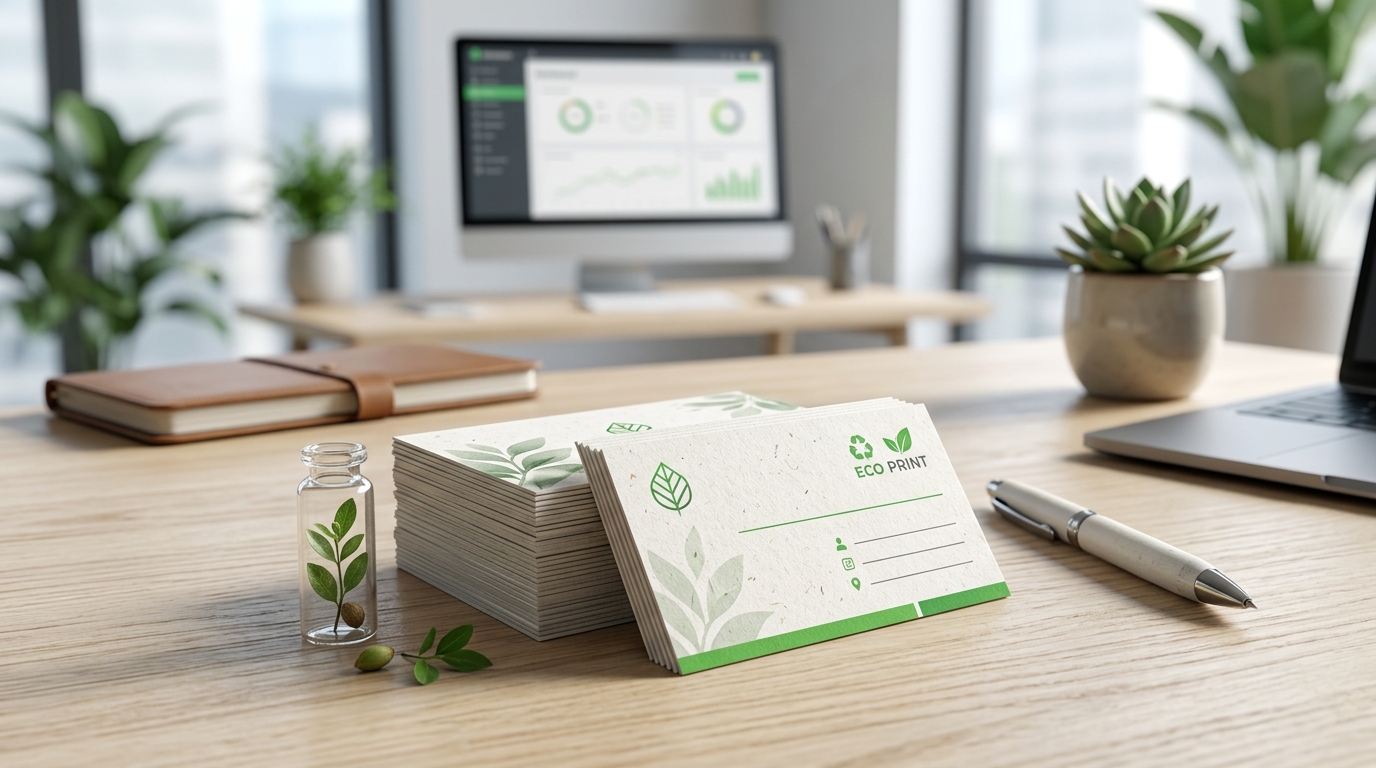
A business card should not exist in isolation. It must be a cohesive part of your overall marketing and advertising strategy. Consistency across all touchpoints is what builds strong, recognizable brands in the competitive Georgian market.
Use approved brand-colour references for both digital and printed materials, but allow for the difference between an illuminated screen and ink on paper. Review a proof on the proposed stock where colour consistency is important.
To learn more about how physical materials integrate with broader marketing campaigns, you can explore our comprehensive advertising blog, where we share insights from our 500+ completed projects across various industries in Georgia.
Conclusion
In the fast-paced business environment of Tbilisi, making a memorable first impression is non-negotiable. Investing in modern business cards: design, paper sourcing and print quality is one of the most cost-effective ways to elevate your professional image. By combining striking design, responsible eco-printing, and luxurious tactile quality, you ensure that your brand is remembered long after the initial meeting.
To update your networking materials, review the current design and contact details first. Learn more about Craftarea’s advertising experience, then send the team the quantity, stock preferences and finishing ideas for your next card order.
Check the card at its finished size
Print a layout proof at the proposed dimensions and check names, phone numbers, spacing and QR links. Ask Craftarea for paper and finishing samples, then approve both sides of the card before production.
Business card printing · Discuss your project with Craftarea