
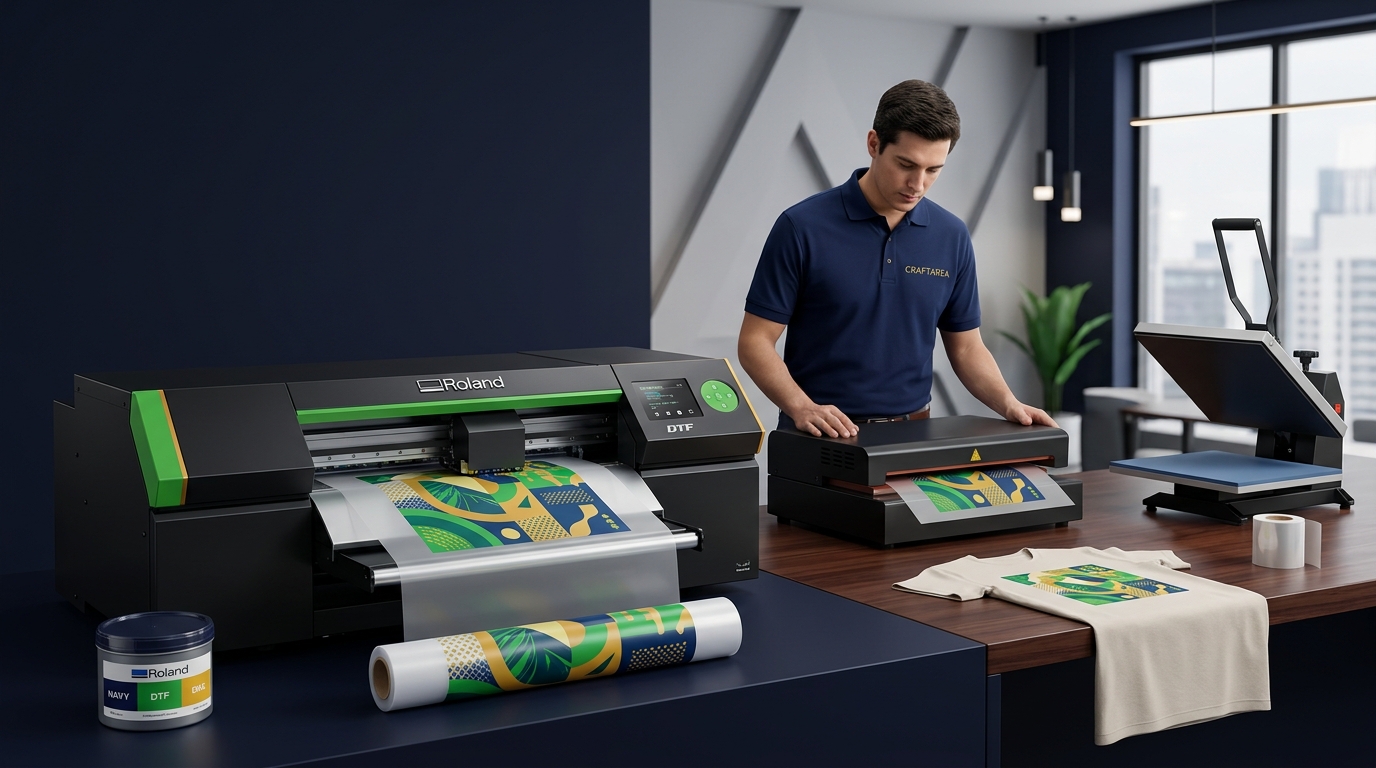
Textile direct-to-film printing transfers artwork from a film onto a compatible garment. For branded apparel in Tbilisi, assess the fabric, design, placement and care requirements before selecting the transfer process.
Craftarea offers DTF textile-printing enquiries in Georgia for corporate apparel and promotional items. The useful starting point is the garment and intended result: confirm the fabric, transfer system, print dimensions and placement with the team.
Businesses use branded apparel for teams, events and promotional merchandise. Assess a DTF transfer for colour, detail, feel and care on the selected garment rather than relying on a percentage comparison with an unspecified alternative.
For a Craftarea DTF project, establish the proposed equipment and transfer materials, the artwork requirements and the approval process. Those details help set realistic expectations for the finished garment and the production schedule.
What Is Textile DTF Printing?
Textile DTF prints artwork onto a suitable film, applies an adhesive system and transfers the design to a compatible garment using a heat press. Detail, feel and durability depend on the complete system and the selected fabric.
DTF performance depends on the complete production system: printer, ink, film, adhesive and pressing conditions. Ask which combination is proposed and assess a sample on the selected garment instead of treating a manufacturer name as a quality guarantee.
DTG prints onto the garment, while DTF transfers artwork from film with an adhesive layer. Each process has fabric and application requirements. Cotton, polyester, nylon, leather and blends should not be treated as interchangeable; confirm the particular item’s heat sensitivity and coating.
DTF can reproduce multicolour artwork without preparing a separate screen for each printed colour. Fine detail still depends on the file, transfer system and fabric. Review the image at its intended size and compare a sample when the result is critical.
How Textile DTF Printing Works
The DTF workflow combines artwork preparation, transfer printing, adhesive application and heat pressing. The following steps explain what to discuss with Craftarea when specifying a garment and approving the result.
1. Digital Design Preparation
Artwork is prepared for the intended transfer size using the print workflow’s requested settings. A DTF design can include colour and a white backing layer. Review file detail, colour expectations and placement before transfer production.
2. Printing on PET Film
In a textile DTF workflow, artwork is printed onto a suitable transfer film with colour and a white backing layer as required by the system. Film, ink, adhesive and pressing settings must work together; confirm the actual process used for the order.
3. Adhesive Powder Application
Adhesive powder is applied using the method specified for the transfer system. Manual and automated workflows exist; confirm which process is proposed and how the film, ink and adhesive are matched.
4. Curing the Film
The adhesive is processed with equipment and settings suitable for the selected system. Confirm the supplier’s instructions and the production workflow rather than assuming every transfer uses the same oven or settings.
5. Heat Press Transfer
The transfer is applied with pressing conditions selected for the system and garment. Adhesion must be assessed on the intended fabric; heat pressing does not establish a permanent bond under every use or washing condition.
6. Peeling and Finishing
Peeling and any further pressing follow the selected film’s instructions. Inspect a sample for detail, feel and adhesion, and agree care requirements for the finished garment.
What to Check Before Ordering DTF Apparel
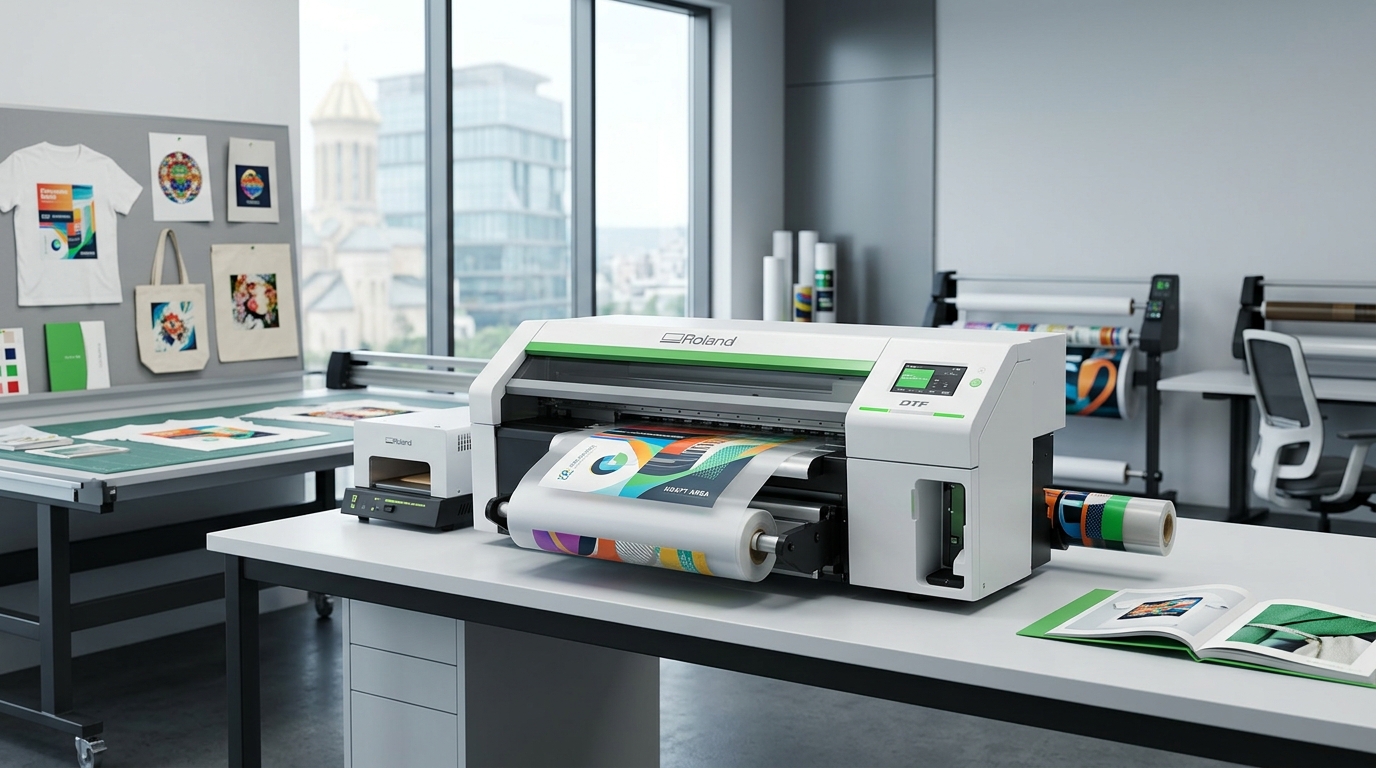
For locally produced apparel, confirm garment availability, transfer production, application and collection dates. Local ordering does not remove every supply or scheduling dependency.
Uniforms and hospitality workwear need care instructions suited to both the garment and its print. Assess wash requirements before selecting the transfer, particularly where frequent or intensive laundering is expected. Confirm any relevant performance documentation for the proposed combination.
Cotton T-shirts, polyester jerseys and nylon jackets need separate compatibility checks. Fabric composition, dye, coatings and heat sensitivity affect the result. Confirm the actual garment and transfer system with Craftarea before choosing DTF for a merchandise range.
For a limited apparel run, ask for a quote at the actual quantity and design. DTF avoids separate screens for each colour, but file preparation, garment supply, printing and application still have costs.
How to Choose a DTF Printing Service in Tbilisi
Not all DTF printing services are created equal. The quality of the final product depends heavily on the equipment, inks, and expertise of the provider. When selecting a partner in Georgia, there are several critical factors you must consider.
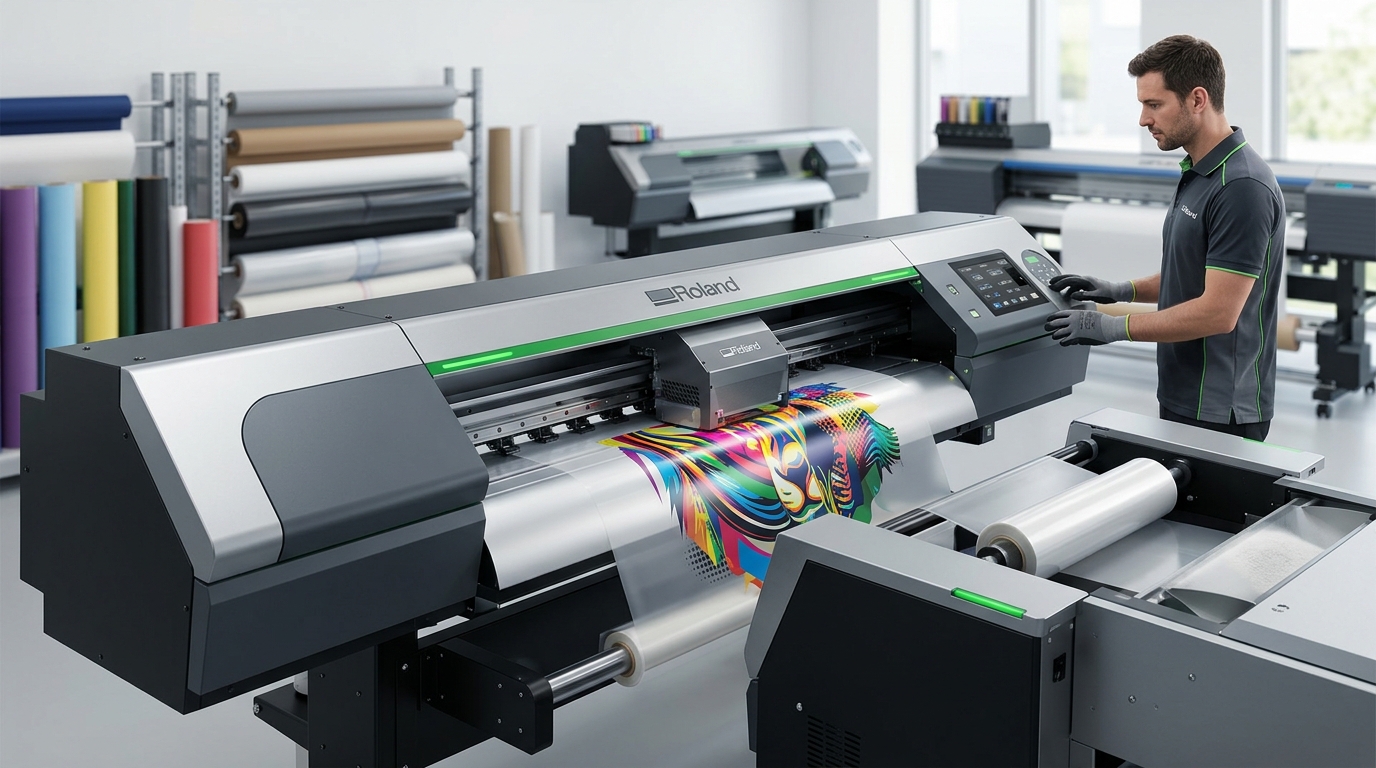
Ask the provider to identify the printer and transfer system, then inspect a sample on a comparable garment. Equipment branding alone cannot establish print quality, fabric compatibility or durability; artwork preparation and application also matter.
PET film, ink and adhesive must form a suitable transfer system. Ask which products are proposed, inspect the feel and stretch on the intended garment, and request documentation for any environmental or performance claim.
Finally, evaluate the company's track record. With 7+ years of experience and 500+ completed projects, Craftarea has the technical expertise to handle complex designs. Our dedicated team ensures every print meets strict quality control standards before it reaches your hands.
Craftarea's Approach to Premium Printing and Branding
Craftarea, an advertising company in Tbilisi, Georgia, takes a holistic approach to your promotional needs. We do not just print logos; we engineer branding solutions that elevate your corporate identity. Our commitment to quality is evident in every project we undertake.
DTF apparel can be coordinated with other printing and promotional materials for a retreat or product launch. Confirm which design, production, packaging and delivery steps Craftarea’s proposal includes.
Our expertise extends beyond apparel. We offer a full suite of services, including professional business cards and comprehensive outdoor advertising campaigns. This allows you to consolidate your marketing efforts with a single, reliable partner in Georgia.
Read the Craftarea blog for related printing guides or the about page for the company’s background. Craftarea has 7+ years of experience and more than 500 completed projects.
Frequently Asked Questions About Textile DTF
To help you better understand this revolutionary technology, our technical specialists have compiled answers to the most common questions we receive from our international and local clients.
Which Fabrics Can Be Considered for Textile DTF?
Textile DTF can suit cotton, polyester and compatible blends on light or dark garments. Nylon, rayon, leather and coated fabrics require particular care because heat response and surface adhesion can differ. Ask Craftarea to assess the item and transfer materials before production.
How long do DTF prints last on custom apparel?
DTF print life depends on the transfer materials, pressing, fabric and care. Follow the instructions agreed for the actual garment and print; avoid direct ironing on the design unless the supplier’s instructions expressly allow it. A universal wash-cycle count is not a warranty.
Is DTF printing better than traditional screen printing?
DTF and screen printing suit different artwork and order conditions. Compare the same garment, design and quantity, taking account of setup, print feel, detail and care. Neither method is universally better or cheaper.
Can I order small batches using DTF technology at Craftarea?
Ask Craftarea whether the requested item and quantity can be accepted. DTF does not need separate screens for each colour, but artwork preparation, garment sourcing and transfer application still have costs. Confirm the minimum quantity and quote for the chosen model.
How Should I Evaluate a DTF Printing System?
Compare the complete DTF system and a sample on the intended fabric. Review print detail, colour, feel and care requirements, and request product-specific documentation where needed. A printer brand alone cannot establish the quality or durability of the finished garment.
How should I prepare my design files for DTF printing?
Provide artwork with enough detail at the intended print size. Vector formats can suit logos, while a raster image may suit photographs; follow Craftarea’s requested file and colour settings. Review a sample where colour or small detail is critical rather than assuming a screen match.
Conclusion: Elevate Your Brand with Craftarea
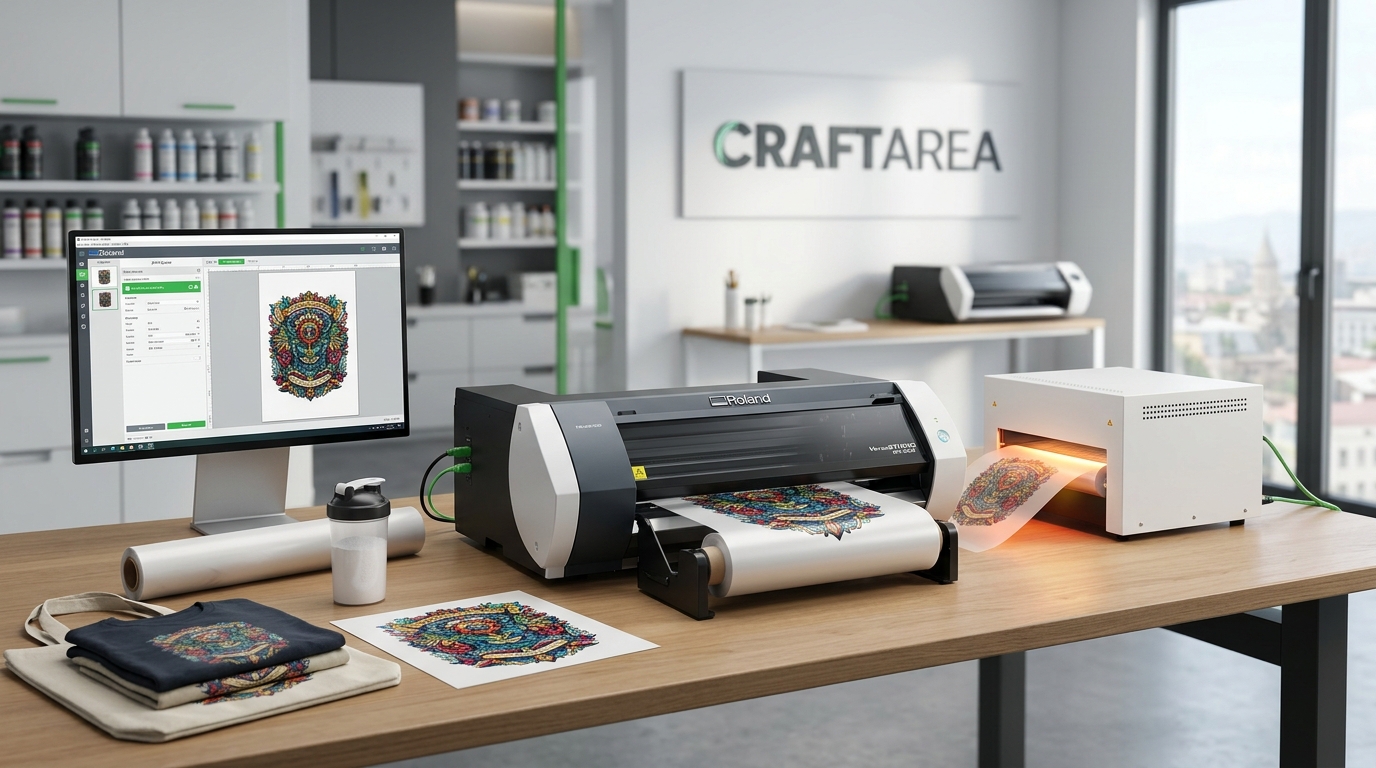
Assess the proposed process by its result on your garment. Printer origin or brand cannot establish a universal advantage in colour, feel or durability.
For uniforms, event merchandise or promotional garments, send Craftarea the item model, fabric composition, quantities and artwork. Confirm the proposed printing process and care instructions before approving production.
Craftarea has 7+ years of experience and more than 500 completed projects. Contact the team with garment details and artwork to discuss a suitable textile-printing process and a project-specific proposal.
Confirm the process behind the printer name
Ask which equipment, ink, film and adhesive will be used for your garment. Send the fabric composition and print size, and review a sample on the intended item when compatibility or colour is important.